You want a lighter home and a clearer head. But every time you grab a sweater, a coffee mug, or that box of cords, the guilt kicks in. Money spent. Gifts from people you love. Memories. What if you need it later? So you freeze.
Here’s the truth: You can learn how to get rid of stuff without guilt. Not by ignoring your feelings, but by giving them a plan and a path. In this guide, I’ll show you practical steps to declutter without regret, clear scripts to handle sticky situations, and simple rules that make decisions easy. You’ll learn how to let go of things you don’t use, protect the memories that matter, and send items to the right next home so you feel good about the exit.
If you came here looking for how to get rid of stuff without guilt and you want straight answers, you’re in the right place. Let’s make space that supports your life now.
Table of Contents
Why Guilt Shows Up When You Declutter
Guilt is a signal, not a stop sign. When you understand the flavor of guilt, you can pick the right antidote.
- Money guilt: I paid good money for this.
- Gift guilt: Someone I love gave this to me.
- Memory guilt: This reminds me of a person, place, or time.
- Environmental guilt: I don’t want to waste or add to landfill.
- Just-in-case fear: I might need it later.
You don’t solve guilt by storing things you don’t use. You solve it by choosing a meaningful exit and reframing the story. The value of an item doesn’t increase because it lives in your closet. If it isn’t being used, it’s already wasted. Letting go is how you stop the waste.
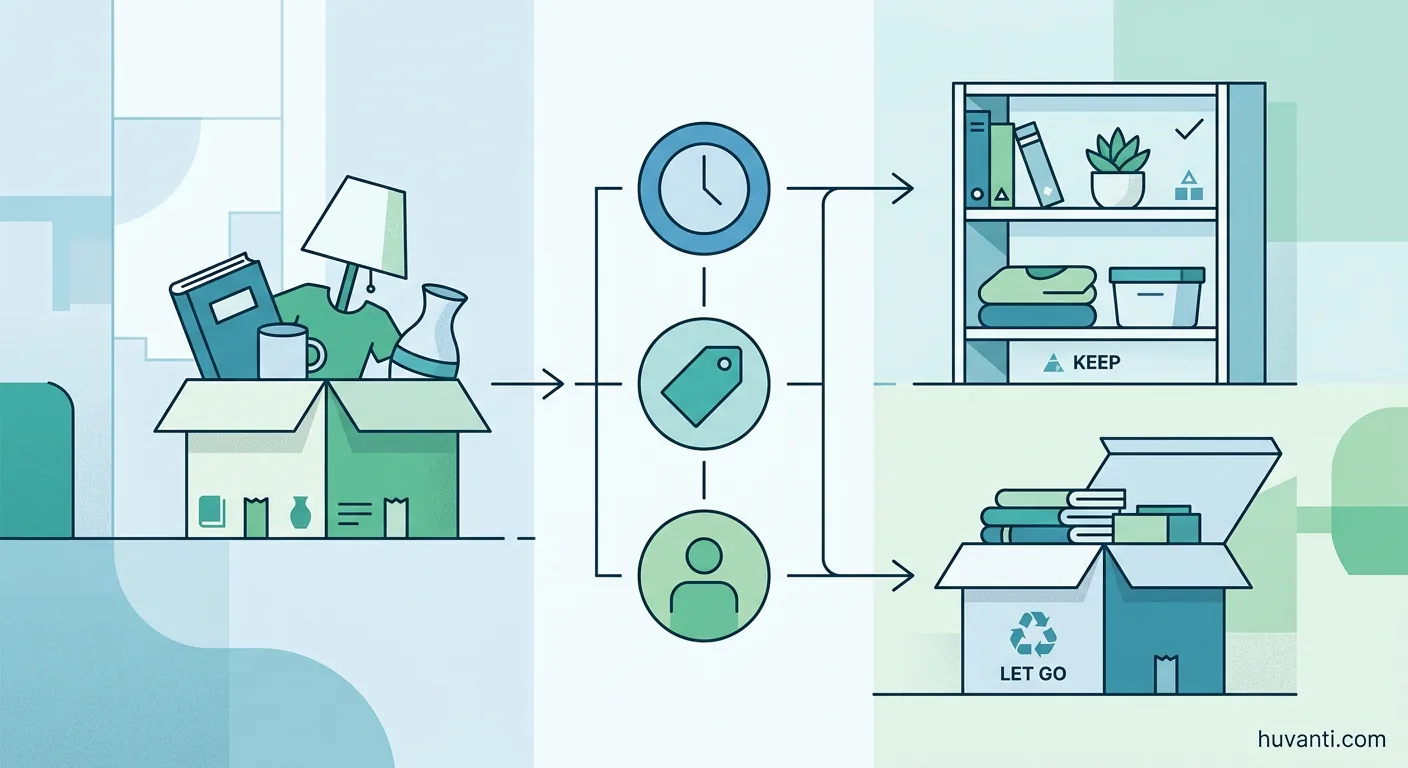
A Quick Decision Filter That Prevents Regret
Use this 5-question scan when you feel stuck. Answer fast. If you hesitate for more than a few seconds, that’s already an answer.
- Do I use it now, in this season of life?
- Would I buy it again today at full price?
- Does it fit my space, my body, and my style?
- Can I replace it within 20 minutes for under 20 dollars if I’m wrong?
- Is there someone who would use this more than me right now?
If you say yes to at least 3 questions, it likely earns a spot. If you say no to most, it’s ready for an exit. If safety is involved, don’t keep the item out of guilt.
21 Simple Ways to Declutter Without Regret
1. Start tiny on purpose
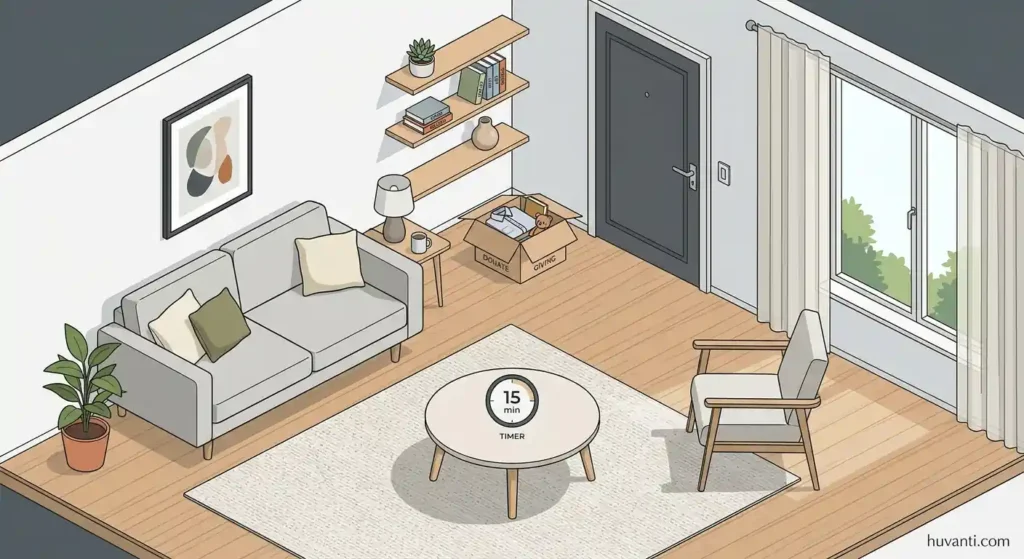
Pick a 10-minute zone. One drawer. One shelf. One bag of paper. Set a timer. Move fast and make easy wins. Guilt eases when you see momentum and nothing bad happens.
2. Create an outbox you never explain
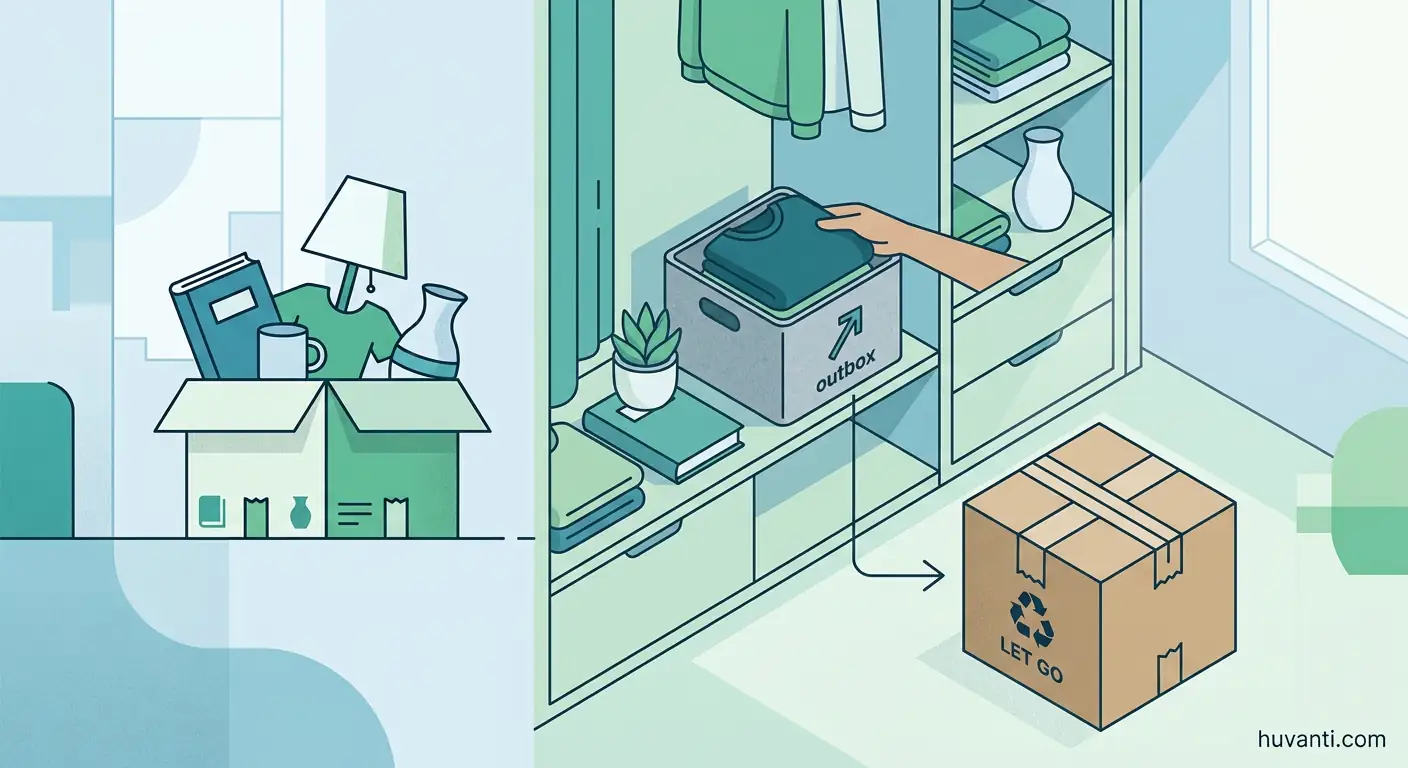
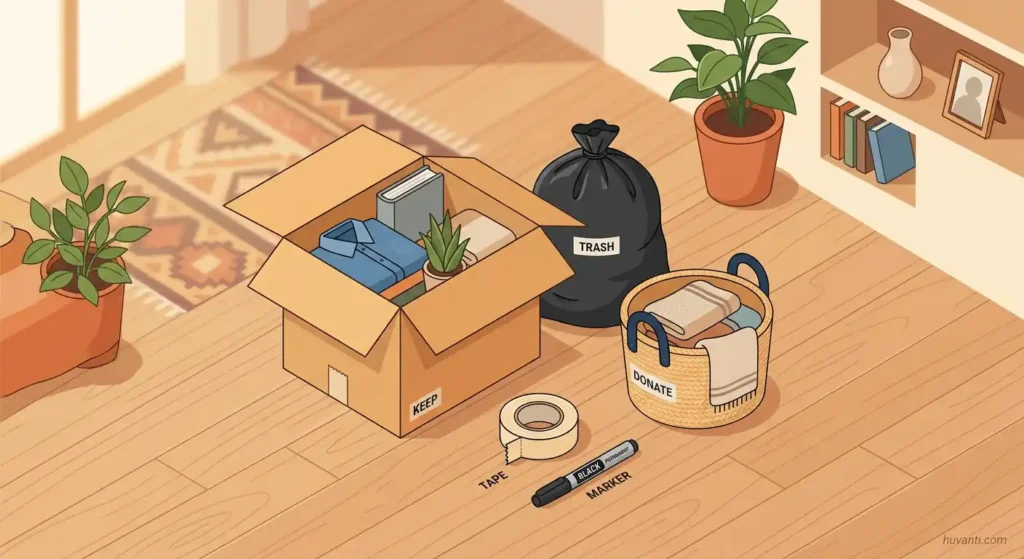
Park a medium bin in a closet. It’s the neutral zone for items on their way out. You don’t owe anyone an explanation. Once a week, you empty it. Decision by decision is tiring. The outbox does the work in the background.
3. Try the 20 by 20 replacement rule
If you can replace it in under 20 minutes for under 20 dollars, it isn’t rare or precious. When you waver, ask that question. This reduces just-in-case clutter and second-guessing.
4. Use a 90-day use window
If you haven’t used it for 90 days and you can’t name a specific plan to use it in the next 90, it’s likely clutter. Seasonal items get a longer window by season, not forever.
5. Set a someday shelf with expiration
Give uncertain items a parking place with a date. Write the date on painter’s tape. If you haven’t reached for it by that date, you let it go. No new debate needed.
6. Photograph the memory, keep the story, release the object
You don’t lose a person or a memory when you release an item. Snap a simple photo. Write a 1-sentence caption. Save both in a Memories album. Then pass the physical item on with care.
7. Cap memory boxes
One box per person for keepsakes. Not a tower. A box. When it fills, something must leave to make space. Boundaries are kind. They protect what truly matters.
8. Match donations to real needs
Send items where they get used, not stranded. Different places want different things:
- Community reuse groups take household items fast
- Refugee resettlement programs seek small appliances, linens, and basics
- Women’s shelters want new toiletries, bedding, and practical clothing
- Animal shelters use towels, blankets, and newspapers
- Schools and makerspaces use art supplies and some tools
- Libraries and literacy programs may accept recent books in good condition
- Local Buy Nothing or Freecycle groups move items quickly to neighbors
Call or check guidelines before you go so you avoid returns.
9. Use proper e-waste and tech exits
Electronics carry data and materials. Don’t toss them. Use one of these paths:
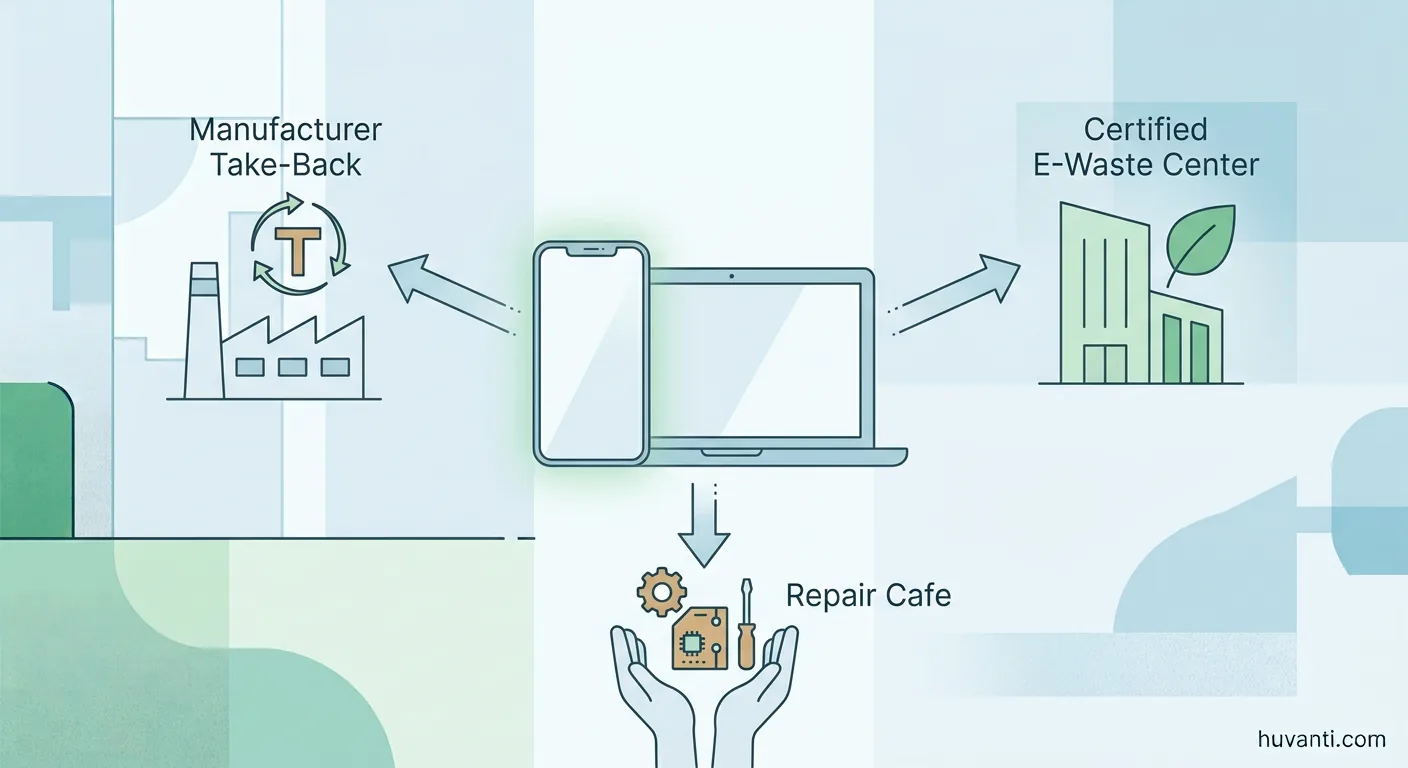
- Manufacturer take-back programs
- Certified local e-waste events
- City drop-off centers for electronics
- Repair cafes and fix-it clinics for simple fixes
Transfer your data, sign out, and factory reset before handoff.
10. Script your way past gift guilt
Keep the love, not the object. Use clear, kind language:
- “Thank you again for this. I enjoyed it and wanted to pass it along to someone who will use it more.”
- “This made me think of you. It served me well, and now it has a new home.”
People give gifts to add joy, not lifelong storage jobs.
11. Reframe sunk costs with the tuition rule
Money already spent is tuition for a lesson. Maybe you learned that a style doesn’t work, or a gadget wasn’t needed. You got the lesson. Keeping the item doesn’t bring the money back. Let it fund someone else’s joy.
12. Try a 30-day trial separation bin
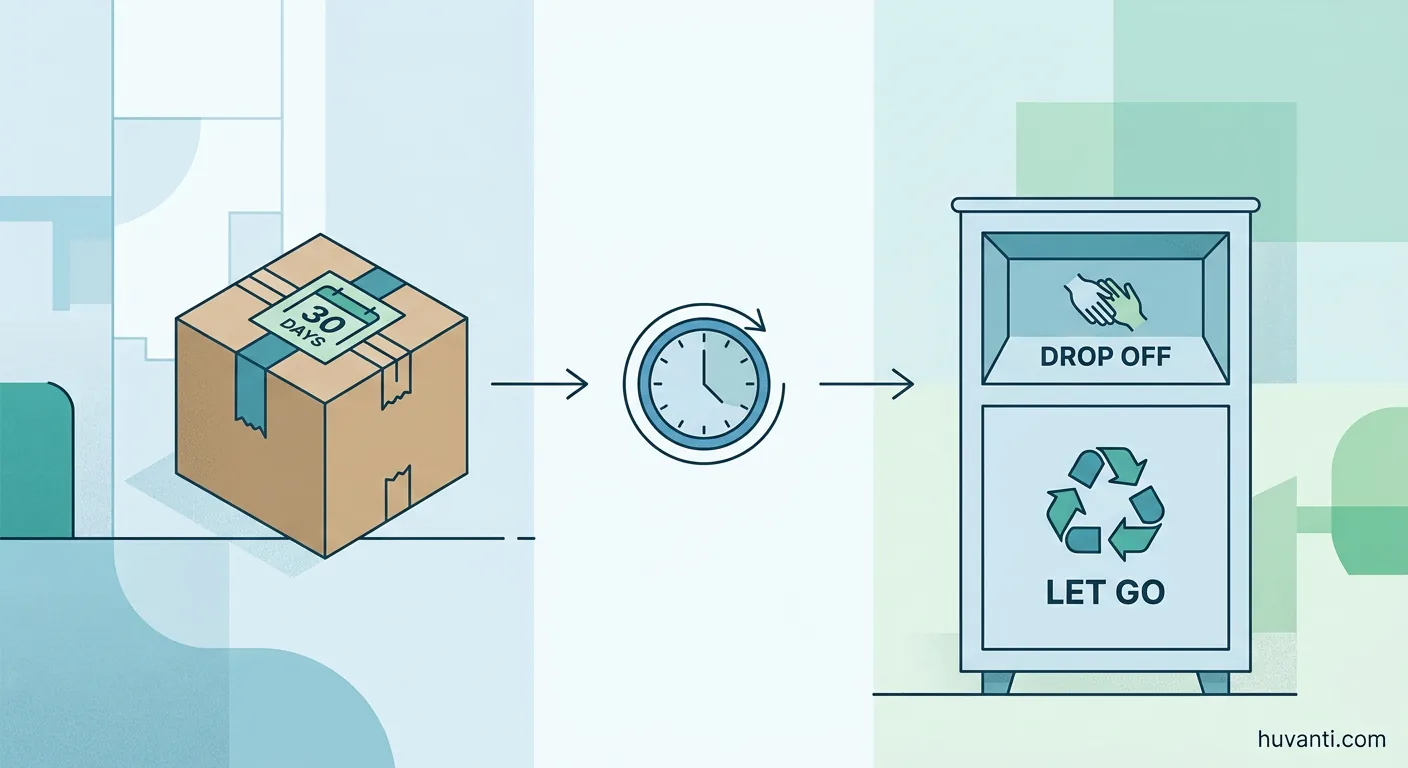
When you can’t decide, place the item in a sealed box with a date. Store it out of sight. If you don’t open it within 30 days to grab something, donate the box as is. You protect yourself from rash regret without dragging decisions forever.
13. Use containers as boundaries, not suggestions
Space is a real limit. Decide the size of the container first, then let it set the quantity. If the board game shelf is full, one must leave before a new one enters. No overflow piles.
14. Practice one in, two out for clutter magnets
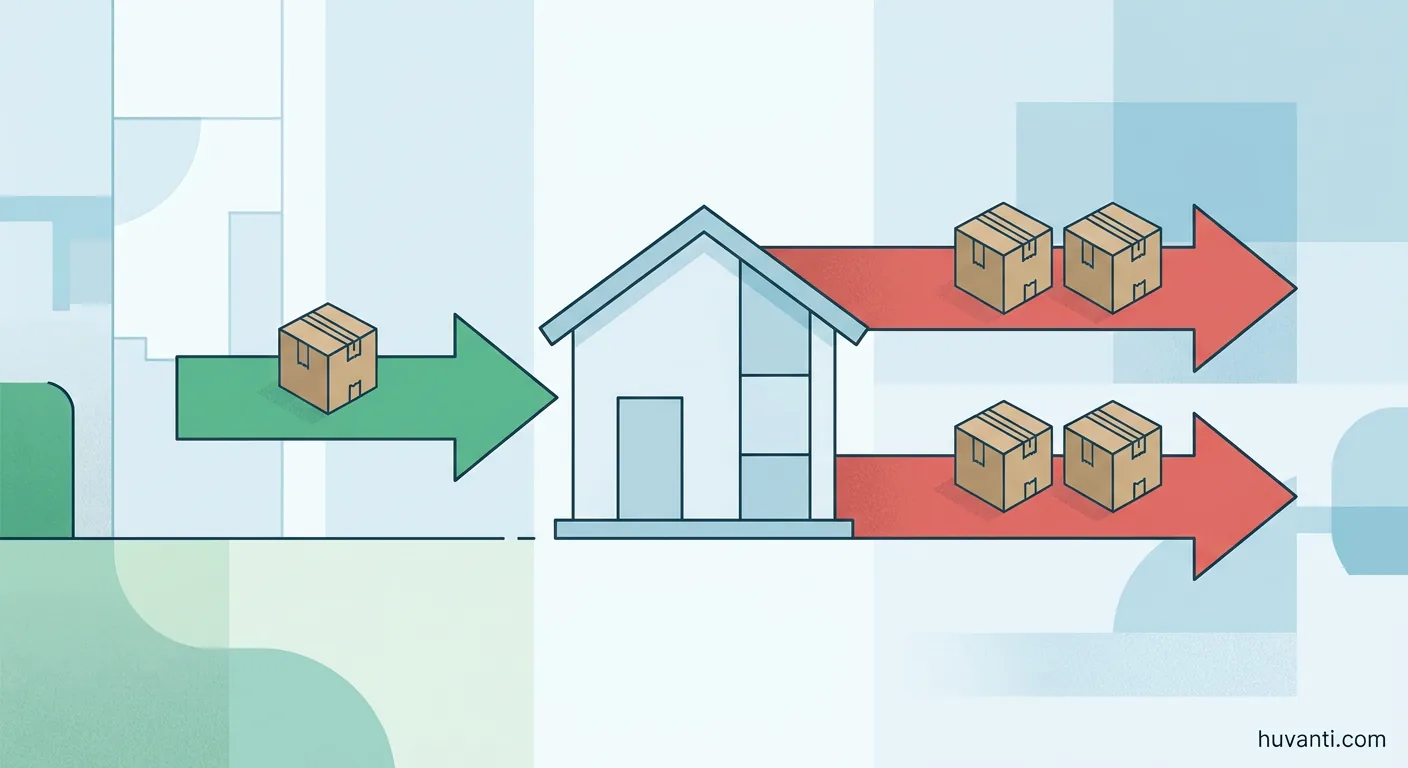
For fast-growing categories like mugs, tees, water bottles, and storage containers, remove 2 items for every 1 that arrives. This builds a habit of balance.
15. Add a weekly release ritual
Pick a day. Sunday afternoon works for many. Walk your home with a tote and collect 5 items you no longer use. Drop them in your outbox or car for donation. Repeat. Small, steady exits win.
16. If you sell, set limits
Selling can help, but don’t let it stall you. Use a simple rule:
- List it for 7 days
- Minimum value to list is 30 dollars
- After 7 days or if offers are low, donate it
You reduce friction and avoid a pile of things you plan to sell someday.
17. Declutter by category, not by room, when you can
When you handle one category at a time, you see duplicates and make cleaner calls. Try these batches:
- Tops, then pants, then shoes
- Skincare, then makeup, then hair tools
- Baking tools, then dishware, then food storage
- Cords, then chargers, then remotes
- Hobby supplies by hobby, not a mixed bin
18. Book pickup before you start
Schedule a charity pickup or a metal haul before you begin a big edit. A date on the calendar creates a finish line and removes last-minute backpedaling. You know the stuff is leaving.
19. Invite kids into the process with real choice
Offer choices that teach ownership, not pressure:
- “We’re keeping your favorite 10 stuffed animals. You choose which ones.”
- “Your art folder fits 20 drawings. You get to pick the 20.”
Kids feel proud when they decide. Praise decisions, not volume kept.
20. Tame papers with scan, keep, shred
Most paper is reference, not action. Use a 3-step flow:
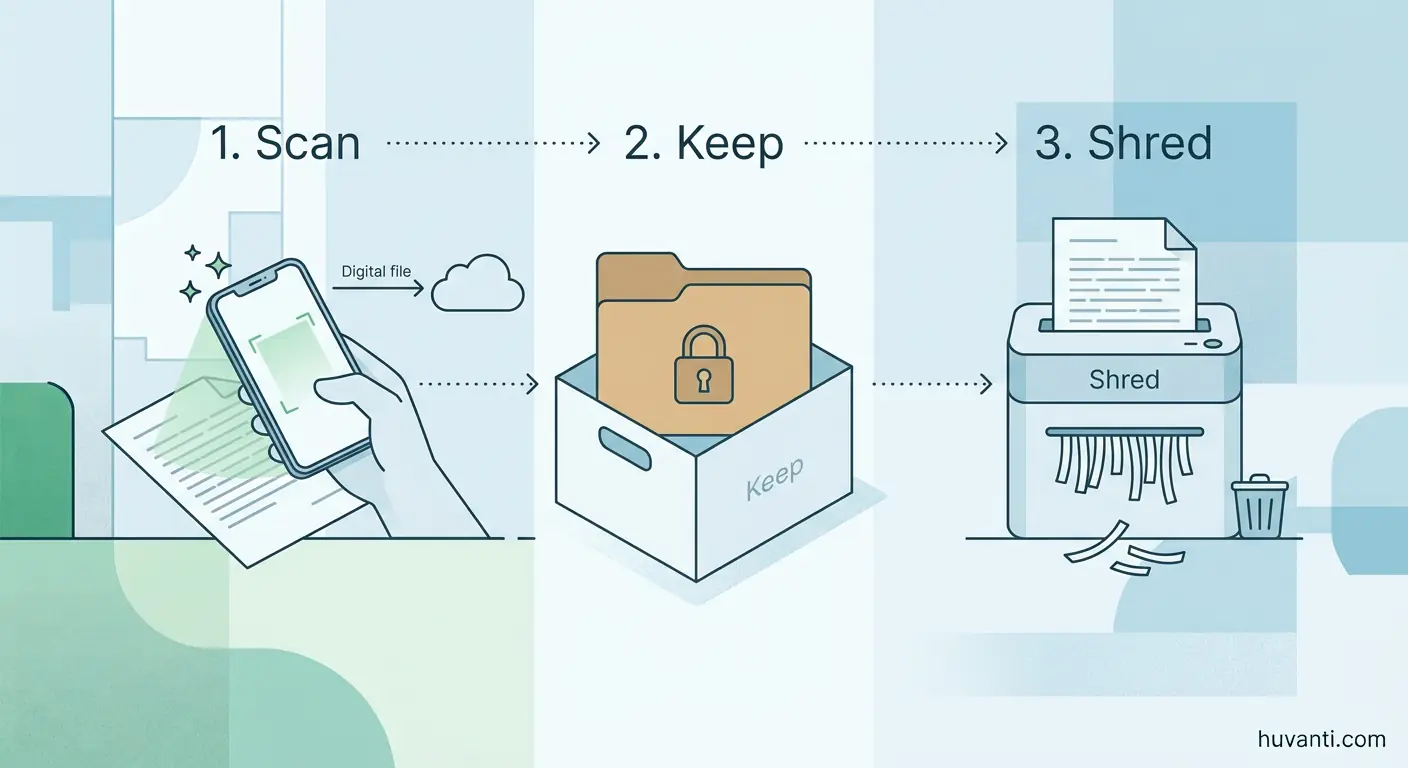
- Scan to a secure cloud or an external drive
- Keep only originals that are needed for legal, tax, or identity
- Shred the rest
Label a simple file box. Future you will thank you.
21. Send tricky items on safe exits
Some stuff needs special handling:
- Paint, chemicals, batteries, light bulbs, and propane go to a household hazardous site
- Expired or unwanted meds go to a pharmacy or take-back event
- Mattresses and large metal items often have city pickups
- Large furniture can move fast through local mutual aid or college move-in groups
Check current local rules. When the exit is clear, guilt eases.
Scripts to Quiet Common Guilt Loops
- Money guilt: I bought this for a life I thought I had. I’m choosing what fits my life now. I’m keeping the lessons and releasing the object.
- Gift guilt: Your gift meant a lot to me. I used it while it served me. Now I’m passing it on so it keeps doing good.
- Family heirloom guilt: I’ll keep 1 or 2 pieces that carry the strongest story. The rest will be offered to family, then donated with respect.
- Environmental guilt: I’m moving this back into circulation where it will be used. That’s better than stagnant storage.
- Just-in-case fear: I can replace most things quickly if needed. I’m buying back space, time, and calm today.
Room by Room Mini Plan
Closet and bedroom
Start with obvious extras. You know the ones.
Try this: Pull out every hanger that scrapes your skin or slides off. Let them go. Remove clothes that don’t fit your current body. Your body isn’t the problem. The clothes are. Keep 3 favorite go-to outfits per main activity. Release lookalike extras.
Kitchen
Kitchens hide duplicates and gizmos.
Try this: Pull every spatula, spoon, and tongs. Keep 1 or 2 of each type you reach for first. Match storage containers with lids. Singles leave. Clear expired pantry items. Create a donate bag for sealed extras you won’t use.
Bathroom
Clear surfaces calm your mornings.
Try this: Toss old makeup, expired sunscreen, and sample clutter. Keep one open backup per category. Not a mountain. Corral daily items in a tray for a quick reset.
Living room
Focus on function and flow.
Try this: Remove decor you dust but don’t love. Contain remotes, chargers, and controllers in one box. Keep throw blankets you use. Donate extras to a local shelter.
Office and hobby areas
Respect your current energy and interests.
Try this: Keep active projects. Box and label paused ones with a date. Review in 90 days. Release tools for past hobbies you no longer pursue. Scan piles of notes. Move the action items to a simple list, then let the paper go.
Garage and storage
This space sets the tone for how you exit and enter home.
Try this: Group like with like. Sports, tools, seasonal, keepsakes. Pick a shelf or bin limit for each group. Schedule a scrap metal or bulky item pickup now.
Where to Send Stuff So You Feel Good About It
You’ll feel lighter when you know an item will be used.
- Local mutual aid and neighborhood free groups: Fastest way to match items with people
- Specialty charities: Suits for job seekers, instruments for schools, medical supplies for relief orgs, craft supplies for teachers
- Resale shops and consignment: For current, in-demand items, but set a time limit
- City services: Hazardous, e-waste, bulky waste, and textile recycling
- Repair and reuse spaces: Repair cafes, tool libraries, makerspaces
Call ahead to confirm what they accept and when. Bring clean items in working order. Add a note for context when useful, like sizes, model numbers, or missing parts.
How to Handle Sentimental and Special Items
- Belongings of a loved one who died: You honor a person by how you live, not by how many of their items you store. Keep a few pieces that spark a clear, warm memory. Take photos of the rest, offer to family, then donate with dignity.
- Kids art and schoolwork: Keep the top 10 pieces per year. Photograph the rest. Create a small book at the end of the year.
- Autographed or collectible items: Decide on a display or a sale. If you won’t display, sell or donate to a fan club, museum, or library who will.
- Books: Keep what you read, teach from, or reference. Release what you’ll never read. Libraries and literacy programs can be great recipients.
- Duplicates: Keep your favorite. Not the one that cost the most, the one you reach for first.
A Simple Maintenance Plan So Clutter Doesn’t Creep Back
- Use the outbox year-round. It shouldn’t be empty for long.
- Keep a donation bag in your closet or laundry area. When something annoys you, drop it in.
- Keep a wish list for non-essentials. If it stays on the list for 30 days and still matters, then consider it.
- Run a monthly quick sweep. Pick one category and one room. Set 20 minutes. Decide fast.
What Not to Do if You Want to Avoid Regret
- Don’t declutter when you’re in a grief spiral or right before a major decision. Give yourself a calm window.
- Don’t ask a crowd for permission about personal items. Too many voices equals more guilt.
- Don’t store stuff for a someday version of you. Create space for who you are right now.
- Don’t dump items curbside that need safe handling. You’ll feel worse later.
- Don’t keep broken things for years because you plan to fix them. Set a real repair date. If it passes, release the item.
Quick Checklists
Keep or let go checklist:
- Do I use it now?
- Would I buy it again today?
- Does it fit my life and space?
- Is there a clear, safe exit if I let it go?
- Will someone else use it more than me right now?
Exit plan checklist:
- Donation: Clean, working, matched to a place that accepts it
- Sell: Minimum value, 7-day limit, pickup only if possible
- Recycle: Check city rules, battery and e-waste drop-offs
- Hazardous: Schedule a safe disposal day
- Shred: For any paper with personal info
Script checklist:
- Money guilt: It taught me a lesson. I’m releasing the object.
- Gift guilt: Thank you again. It served me. Now it will serve someone else.
- Family guilt: I’m keeping a few treasures and letting the rest help others.
- Just in case: If I need it, I can replace it fast.
Final Thoughts
You don’t beat guilt by arguing with it. You beat it by giving it proof. When you match items to the right exits, set fair rules, and use kind scripts, your brain learns that letting go is safe. You keep the love and the memories. You reclaim space, time, and calm.
Now you know how to get rid of stuff without guilt. Start with one shelf. Set one pickup. Use one script. The rest gets easier.
Frequent Asked Questions
How do I declutter without feeling wasteful?
Try a better exit, not a bigger closet. Donate useful items to places that want them, recycle what you can, and use a 20 by 20 replacement rule to lower fear. Keeping something you don’t use is the real waste.
What should I do with gifts I don’t like?
Thank the giver, then pass the item on. A gift is love, not an obligation to store. Use a simple script and release the guilt with the object.
How can I avoid regret after donating something?
Use a 30-day trial box for maybes. Photograph memories. Keep a small fund for rare replacements. Most people regret keeping clutter far more than they regret one rare re-buy.
Is selling stuff worth the time?
Sometimes, set a minimum value and a short listing window. If it doesn’t sell fast, donate it. Time and space are worth more than squeezing out every dollar.
How do I handle sentimental items from a loved one?
Pick a few meaningful pieces, create a memory box, photograph the rest, and share with family. You honor people by living well, not by storing everything.
What do I do with electronics and cords?
Collect them by type. Keep only what matches current devices. Wipe data, then use certified e-waste programs, manufacturer take-backs, or local events.
How can I get my family on board?
Lead with your stuff. Show results, not lectures. Offer choices, set container limits, and create an outbox everyone can use. Praise participation.
How do I stop clutter from coming back?
Use one in, two out for hot spots. Keep a wish list to slow impulse buys. Set a monthly 20-minute tune-up. Keep your outbox active.
What about paperwork and important documents?
Scan what you need to reference. Keep originals for legal, tax, and identity needs in a labeled file. Shred the rest. Create one inbox for new paper and clear it weekly.
I feel guilty throwing away items that can be reused?
Find a better match. Try community free groups, shelters, schools, and specialty charities. If no one can use it and it isn’t safe to keep, let it go responsibly.