Declutter
Declutter without the drama. This category is your friendly space for clear steps, practical checklists, and real-world ideas that make it simple to create room for what matters. Whether you are staring at a cluttered closet or a garage full of mystery boxes, you will find small actions that add up fast.
What is decluttering?
Decluttering means reviewing your things with intention, deciding what serves your life today, and removing the rest with care. It is not about perfection or buying a bunch of bins. It is about making it easy to find what you need and enjoy your space.
Why does decluttering matter?
Clutter costs time, energy, and money. It hides the items you actually use, creates visual noise that wears you down, and can even lead to duplicate purchases. A tidy home is not only calmer; it is more efficient and safer to clean. When you clear the excess, you make space for rest and for the people you love.
Where should I start when I feel overwhelmed?
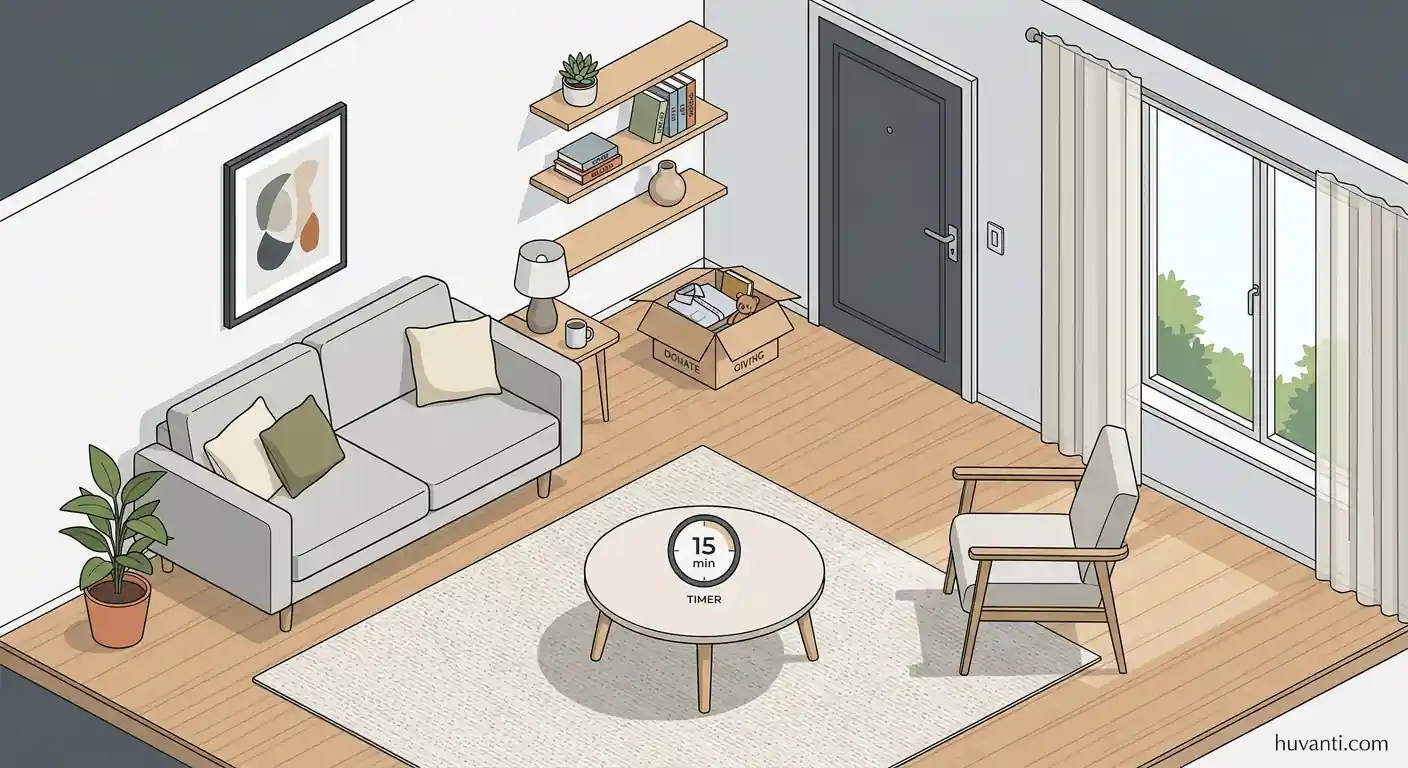
Start with the smallest possible win: one drawer, one shelf, or one laundry basket of paper. Big projects stall when the first step feels heavy. Choose one tiny zone, set a short timer, and stop when it rings. Progress fuels motivation.
A simple method that works in any room
-
Step 1: Pick a small zone and empty it so you can see everything in one place.
-
Step 2: Wipe the surface. Quick cleaning now prevents grime from being put back.
-
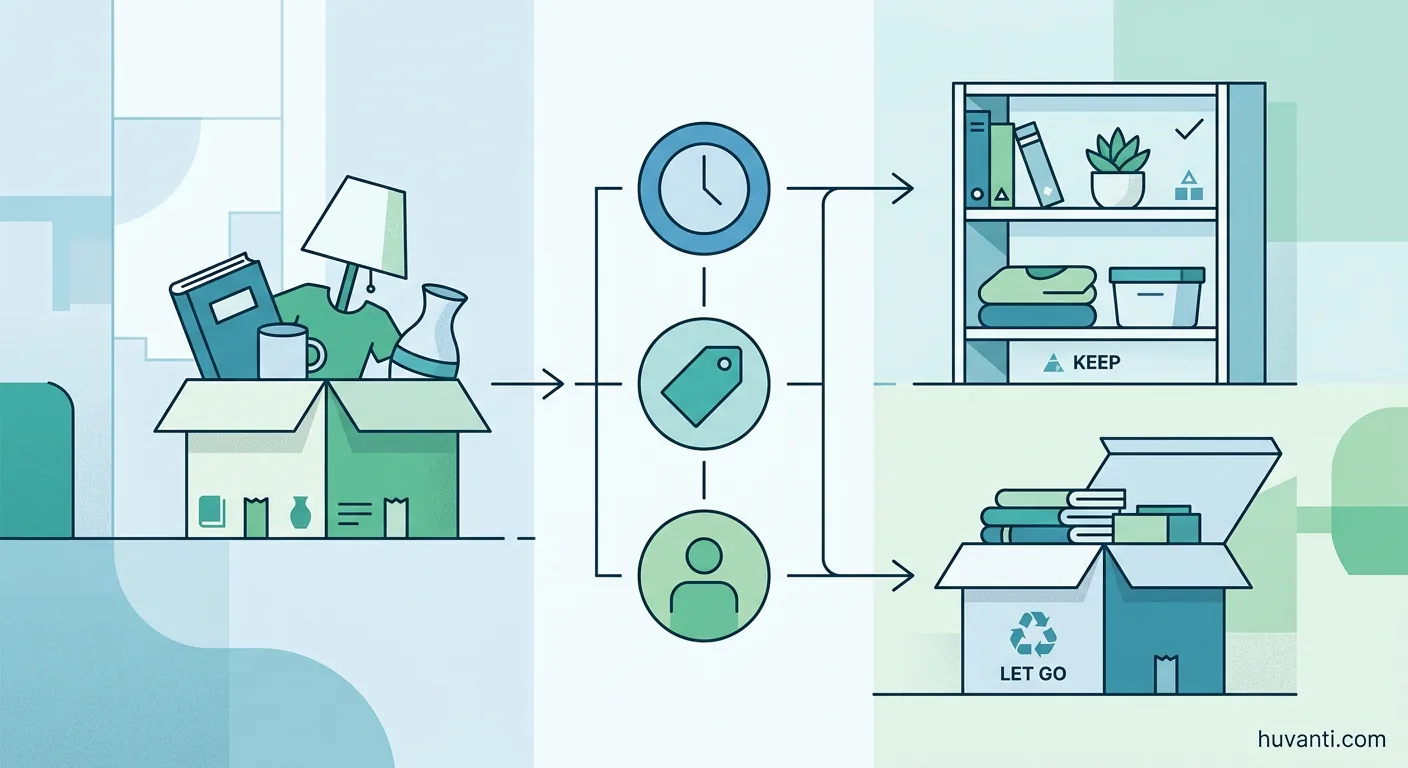
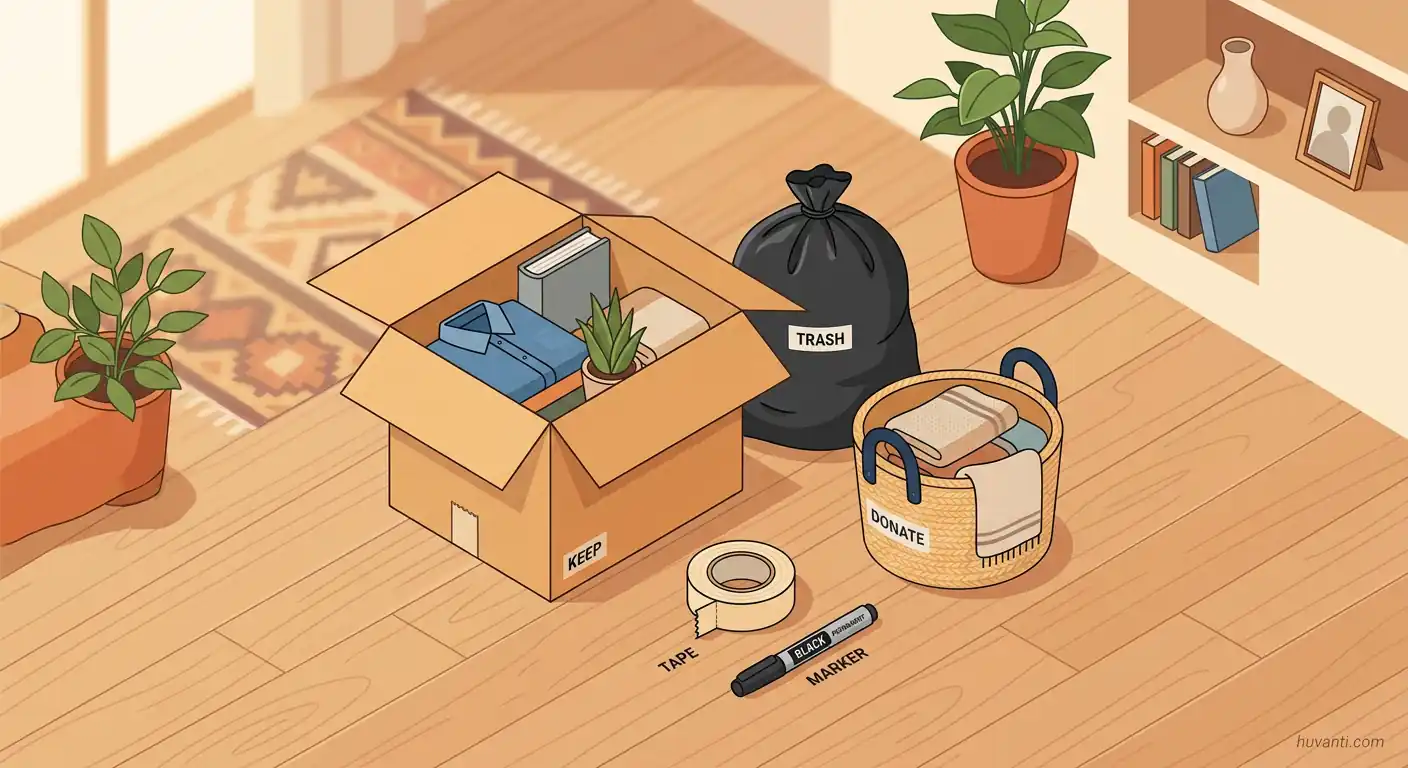
Step 3: Sort items into five groups: Keep, Donate, Sell, Recycle, Trash.
-
Step 4: Decide fast with this test: Do I use it? Do I need it? Do I love it?
-
Step 5: Return the keep group neatly. Bag donations and put them by the door. Photograph items to sell so you can list them later today.
What should I keep and what should I let go?
Keep what you use often and what clearly improves your daily life: tools that work, clothes that fit and feel good, and items tied to legal or financial records.
Let go of worn-out duplicates, gadgets that never earned a spot in your routine, and gifts that carry guilt instead of joy. If you hesitate, place it in a “maybe” box, write today’s date on the lid, and set a reminder for sixty days. If you have not needed the item by then, donate it.
How do I handle sentimental items?
Go slow and save these for later in the process. Start with easy wins so your decision muscles warm up. When you are ready, choose a small group such as birthday cards or baby clothes. Keep a few that tell the best parts of the story and photograph the rest. One memory box per family member keeps treasures special.
Where should unwanted items go?
-
Donation: Works well for usable clothing, housewares, small appliances, toys, and books. Look for local charities, schools, shelters, and community groups that accept what you have.
-
Selling: Can help with higher-value items such as quality furniture or specialty gear.
-
Recycling: The right home for paper, cardboard, certain plastics, metals, and glass as your city allows.
-
Special Programs: Use these for electronics, batteries, light bulbs, paint, chemicals, and expired medicine. Follow local rules. When in doubt, call your city or check its website for a pickup or drop-off guide.
Room-by-room starting points
-
Kitchen: Clear one counter. Empty one drawer. Toss expired food and broken tools. Keep everyday items at arm height and store entertaining pieces higher or deeper.
-
Closet: Gather all shirts or all pants. Keep only what fits and what you reach for without thinking. Face hangers the same direction so you can see what you actually wear.
-
Bathroom: Remove old makeup and expired sunscreen. Keep daily items in one easy-access bin. Backstock can live in a labeled box under the sink.
-
Living room: Limit surfaces to a few useful or loved items. Create a home for remotes, chargers, and blankets so they do not drift.
-
Entry: Add a tray for keys, a hook for bags, and a bin for shoes. Small stations prevent daily piles.
-
Garage: Choose one corner. Group tools, sports gear, and seasonal decor. Use clear bins and label the front so you can spot things at a glance.
How do I keep a home clutter-free after a big clean-out?
Think maintenance, not marathon. Try these habits:
-
One in, one out: When a new item comes in, one similar item leaves.
-
Ten-minute tidy: Set a timer after dinner. Return items to their homes.
-
Landing zones: Give high-traffic items a place to land. Mail on a tray, backpacks on hooks, shoes in a bin.
-
Weekly sweep: Do a light reset every week and a deeper one every season.
What are common decluttering mistakes?
Starting with sentimental items makes the work feel harder than it needs to be. Buying lots of organizers before you sort often leads to wasted money and unused bins. Moving items around without deciding only rearranges the problem. Skipping disposal plans leaves bags sitting in a hallway. Decide, contain, and remove on the same day if possible.
How long should decluttering take?
It depends on the size of the space and how many decisions are loaded with emotion. A single drawer can take ten minutes. A packed garage may take several short sessions over a month. Set a pace that fits your life. Aim for steady gains instead of one giant push that burns you out.
What tools do I need?
Keep it simple:
-
A few boxes or bags for your five groups
-
A marker and sticky notes for quick labels
-
A timer
-
Basic cleaning supplies
-
A tape measure (can help you right-size storage so you are not trying to fit ten pounds of items into a five-pound shelf)
How do I declutter with kids or a partner?
Model the process on your own items first; it builds trust.
-
For kids: Keep sessions short and concrete. Ask which toys are their favorites and why. Create an easy home for art and school papers with a keep folder and a display spot.
-
For a partner: Agree on shared goals such as clear counters or a calm bedroom. Respect personal zones. Invite, do not nag. Celebrate small wins together.
How do I handle paperwork and digital clutter?
Sort mail as it arrives. Recycle ads and envelopes immediately. Keep a small inbox for items that need action. Set a weekly time to pay bills and file what you must keep. Scan receipts or documents you need to reference and store them in clearly named folders.
For digital life: empty your downloads folder, delete duplicate photos, and unsubscribe from emails that do not serve you.
Is there a best method to follow?
The best method is the one you will use. Some people like the KonMari approach, which sorts by category and asks what sparks joy. Others prefer the room-by-room style. The one-in, one-out rule and the twenty-twenty rule can help quick decisions. The Four Box Method (keep, donate, sell, trash) keeps you moving and prevents second-guessing. Feel free to mix and match.
Safety first
Lift with your legs and ask for help with heavy items. Wear gloves when handling broken objects or dusty boxes. Keep walkways clear to avoid trips. Use a mask if you are in a space with mold or a lot of dust. Follow local guidance for sharp objects, chemicals, and electronics.
Need a quick start today?
-
Fill one small trash bag with obvious trash from a single room.
-
Gather every reusable bag in your home. Keep a few and donate or recycle the extras.
-
Pick one surface and clear it completely. Wipe it. Put back only what you want to see every day.
-
Open the junk drawer. Remove five things you never use.
-
Put donations in your car so they leave the house on your next errand.
Your home does not need to look like a showroom to feel calm. It only needs to work for the way you live. Start small. Keep what supports your life today. Let the rest go with respect. Then enjoy the breathing room you just created.