Home Calm
Home should feel steady and kind. Home Calm is your place for simple routines, clear guidance, and small changes that add up to a quieter, easier day. No perfection chase. Just calm rooms, lighter chores, and more energy for what matters.
What is Home Calm?
Home Calm means your space supports rest and daily flow. Less visual noise. Fewer last-minute scrambles. Cleaner air and softer sound. A few repeatable habits that keep things from piling up. It is not about a showroom look; it is about feeling at ease where you live.
Why does calm at home matter?
Stress stacks up when counters are crowded, laundry sneaks into every chair, and noise never takes a break. A calmer home helps sleep, focus, and patience. It also saves time because you can find what you need and reset rooms quickly.
Where should I start?
Start small and finish the same day. Pick one surface or one routine and give it a clear shape. Then repeat it tomorrow. Momentum beats intensity.
Quick wins you can do this week
-
Clear one surface you see first thing each morning. Wipe it and place back only what you use every day.
-
Create a landing spot by the door: hook for bags, tray for keys and mail, and a bin for shoes.
-
Do a ten-minute evening reset: dishes in the washer, blankets folded, counters wiped, and trash out.
-
Set phone parking after dinner. Plug it in one room so the bedroom stays quiet.
-
Make a laundry rhythm: one load a day on weekdays or two loads on the weekend. Fold right after the dryer and put away before the next task.
-
Prep a simple breakfast station with bowls, spoons, oats, and fruit. Mornings feel smoother when choices are easy.
How do I make rooms feel calm without buying much?
Start with what you have. Remove extras before you add anything. Group like with like and give each group a home. Use small containers you already own to corral remotes, chargers, and pens. Let surfaces breathe—a few loved pieces beat a crowd of so-so decor.
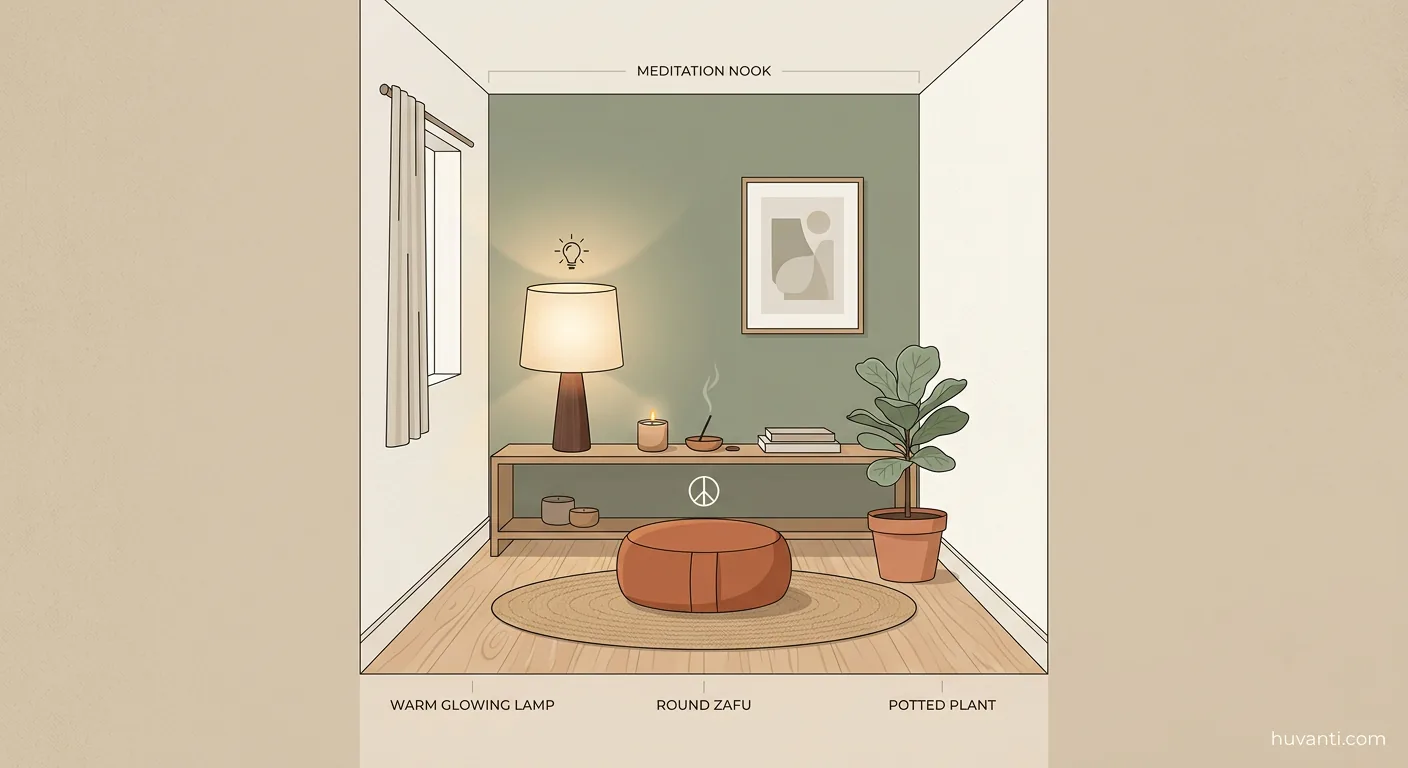
Choose warm light bulbs in the evening and bright, neutral light for tasks. Open curtains by day for natural light, then close them at night for a settled feel.
What daily routines keep calm going?
Morning reset
-
Open blinds or curtains and make the bed.
-
Start a laundry load if today is a wash day.
-
Clear breakfast dishes and wipe the main counter.
Evening reset
-
Five-minute tidy in living areas.
-
Set the dishwasher to run.
-
Put phones to bed outside the bedroom.
-
Lay out what tomorrow needs, such as a water bottle, keys, and one outfit.
Weekly sweep
-
Vacuum high-traffic floors and rugs.
-
Wipe bathroom sinks and mirrors.
-
Change pillowcases or full sheets if that is your rhythm.
-
Empty the inbox tray for mail and school papers.
How do I calm the bedroom for better sleep?
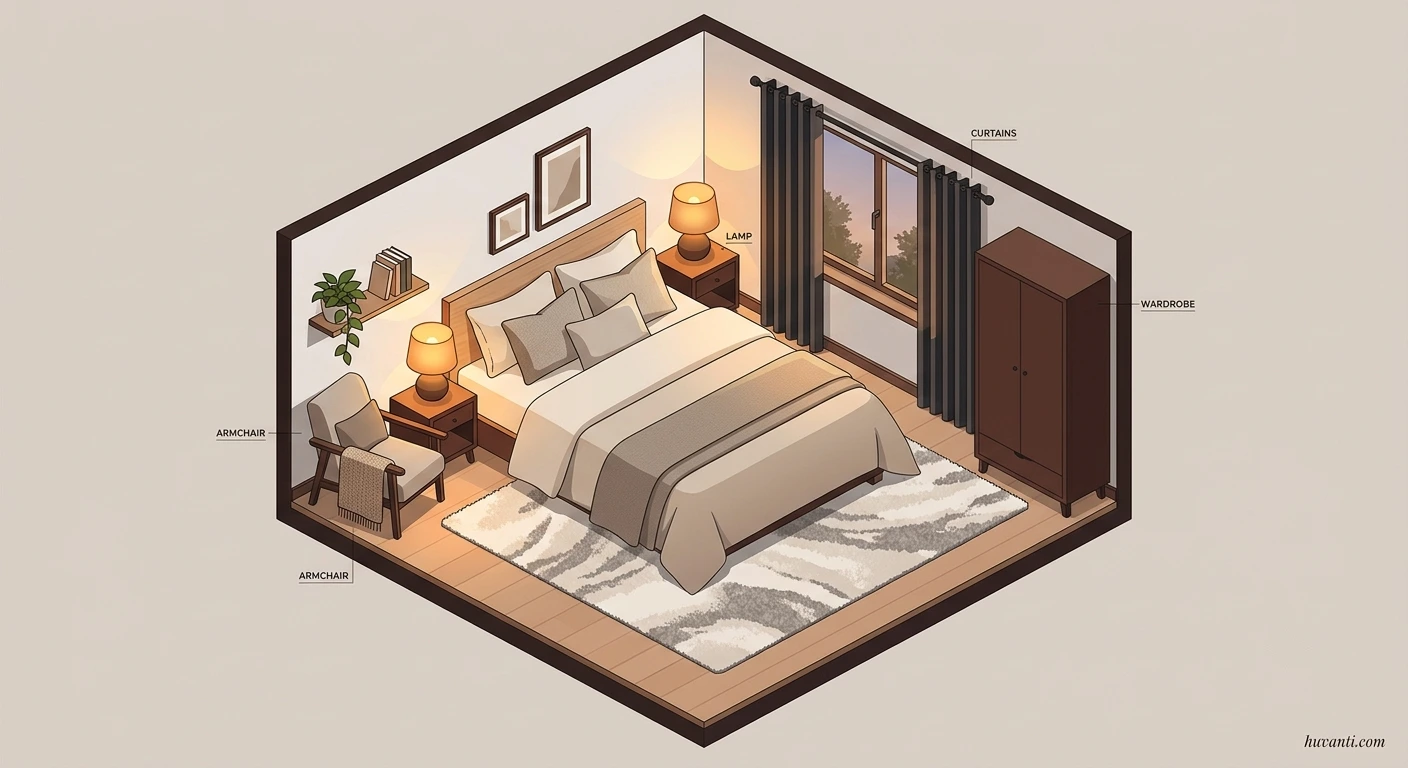
Keep nightstands simple: book, lamp, water. Use blackout curtains or an eye mask if light sneaks in. Cool the room slightly. Fresh air for a few minutes each day helps if outdoor air is good.
Park phones and tablets outside the room. If you share the space, agree on quiet hours and a fan or white noise if that helps both of you settle.
What about noise, scent, and air?
-
Sound: Soften echoes with curtains, rugs, and upholstered pieces. Place felt pads under chairs. Keep the loudest tasks to set times. Use door sweeps for kids’ rooms if bedtime noise is a struggle.
-
Scent: Go light. Fresh air and clean surfaces do most of the work. If you like fragrance, choose one simple scent and use less than you think.
-
Air: Vacuum with a good filter and dust with a damp cloth. Vent when you cook and after showers. Choose low-VOC paints and adhesives. In older homes, test for radon and follow local guidance.
How do I build calm with kids or roommates?
-
With kids: Make tidy time short and clear. One basket per child. One shelf for current toys and rotate the rest. Use picture labels on bins so cleanup is obvious.
-
With teens: Agree on zones. Common spaces get a daily reset. Bedrooms are personal within a few shared rules, like dishes out and laundry to the hamper.
-
With roommates or partners: Talk about pinch points and set simple standards you all accept. Decide who handles which task and when. A weekly fifteen-minute house meeting keeps things from simmering. Praise effort and say thank you—it matters.
What if I rent or live in a small place?
Use portable fixes:
-
Tension rods for curtains and closets.
-
Command hooks for bags and tools.
-
Bins that slide under beds.
-
A folding screen to carve out a study corner.
-
A rolling cart can hold coffee gear by day and art supplies by night.
Choose items that do double duty and put back extras often.
Common mistakes that stir up stress
Starting too big and never finishing. Buying a pile of organizers before you cut visual clutter. Keeping counters full of small decor that needs dusting. Skipping a disposal plan so bags linger by the door. Ignoring bedtime routines and then wondering why mornings feel hard. Keep it simple and finish the small loop today.
Simple checklists you can reuse
Daily calm
-
[ ] Make bed
-
[ ] Dishes done
-
[ ] One ten-minute tidy
-
[ ] Phone parked
Weekly calm
Monthly calm
How do I keep calm during busy seasons?
Lower the bar on purpose. Serve a simpler menu. Wear a repeat outfit formula. Use a shared calendar and set gentle reminders. Protect sleep time. Close the door on one room that stays calm so you have a quiet place to land.
Safety notes
Do not mix cleaning products. Keep candles away from curtains and never leave them unattended. Store medicine and cleaners out of reach of kids and pets. Lift with care and ask for help with heavy items. Check appliance manuals and follow instructions.
Need a fast start today?
-
Clear and wipe one surface you use every day.
-
Collect all stray cups and dishes and wash them now.
-
Start a laundry load if the basket is half full or more.
-
Place a small tray by the door for keys and mail.
-
Set a five-minute timer and return items to their homes. Stop when it rings and enjoy the calm.
Your home does not need to be perfect. It only needs to support the way you live. Choose one habit, repeat it until it feels easy, then add another. Calm grows in small steps and stays when routines fit your real life.