Houseplants
Green looks good in every room. Houseplants brings you clear care guides, step-by-step help, and friendly tips so your plants thrive without guesswork. Whether you just brought home your first pothos or you are ready to try a fiddle leaf fig, you will find simple answers that work in real homes.
What are houseplants?
Houseplants are plants that grow well indoors with stable temperatures and the right light. You are recreating a small slice of their natural habitat on a shelf or windowsill. Give them the light, water, and soil they need, and they will reward you with steady growth.
Where should I put my houseplants?
Light is the big one. Most popular plants want bright, indirect light. That means a bright room where the sun does not land directly on the leaves for long.
-
South window: Gives the most light. Keep most plants a few feet back or use sheer curtains.
-
East window: Gives gentle morning sun. Great for many plants.
-
West window: Gives strong afternoon sun. Succulents like it; tender leaves may scorch.
-
North window: Lowest light. Choose true low-light plants here or add a grow light.
Quick Shadow Test: At midday, hold your hand over a page. A sharp shadow means strong light. A soft shadow means medium light. Little to no shadow means low light.
How often should I water?
Do not water on a fixed calendar—water when the plant actually needs it.
-
Feel the soil: For most plants, water when the top 1 to 2 inches are dry. For succulents and cacti, let the mix dry deeper.
-
Lift the pot: Dry soil is lighter. This gets easy with practice!
-
Use a moisture meter: Optional, but useful if you like data.
-
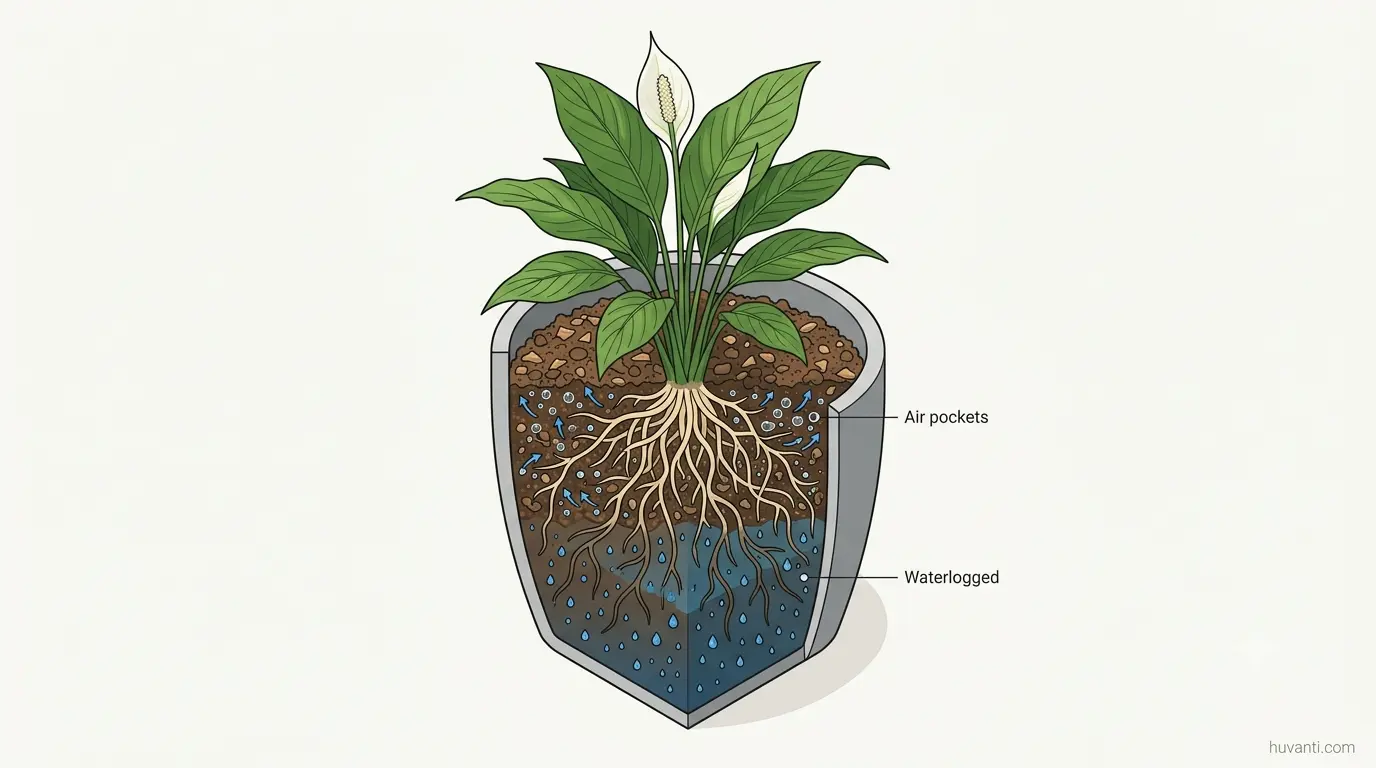
Water thoroughly: Water at the sink until it runs from the drain hole. Let it finish draining before returning it to its cover pot or saucer. Always empty standing water so roots can breathe.
What soil and pot should I use?
Always use a pot with a drain hole. Slip a plastic nursery pot inside a decorative cover pot for a clean look and easy watering.
Soil needs air as well as moisture. Choose a mix tailored to your plant:
-
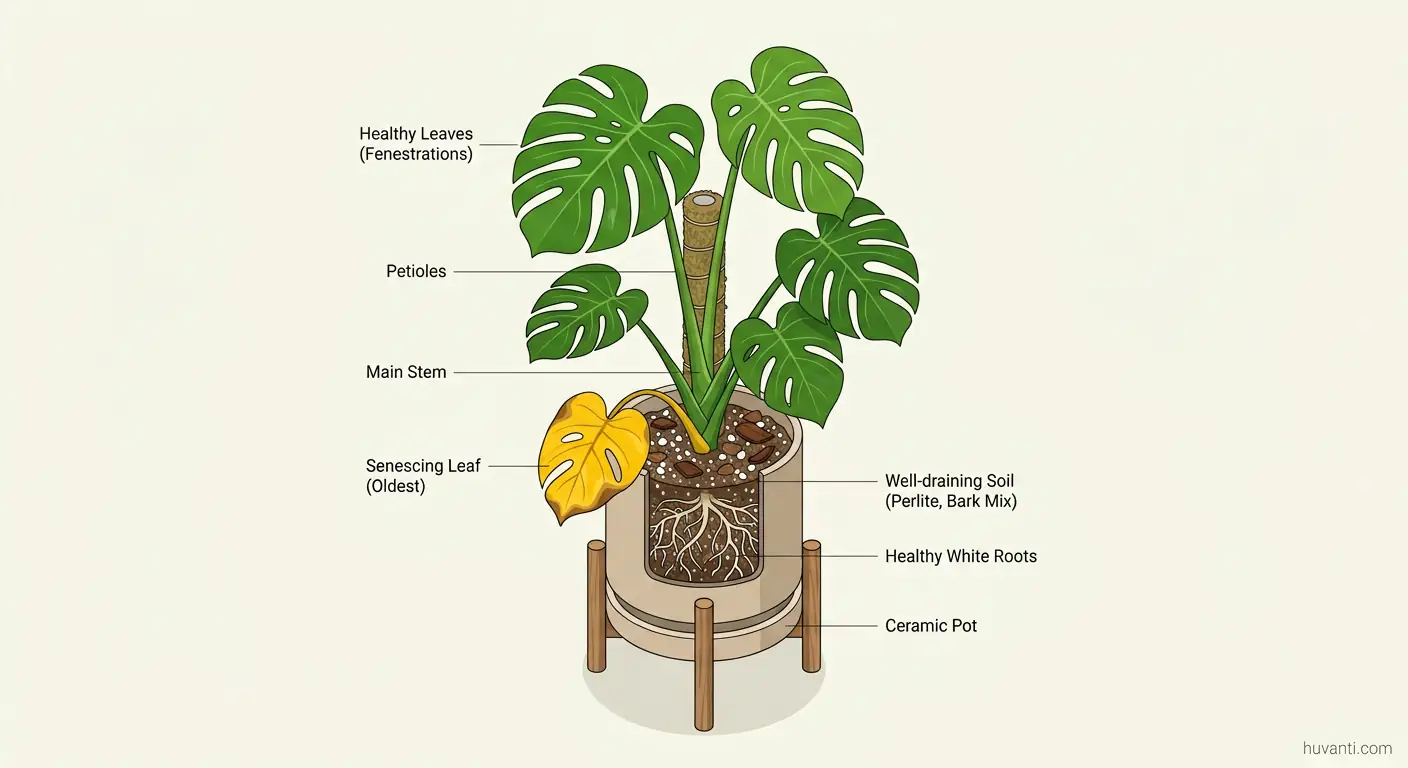
Aroids (Pothos, Philodendron, Monstera): Enjoy a chunky mix of potting soil, bark, and perlite.
-
Succulents & Cacti: Prefer a gritty mix with high mineral content.
-
Calatheas & Ferns: Like a light mix that holds some moisture but still drains well.
-
Orchids: Do best in coarse bark or a bark blend rather than regular soil.
When should I repot?
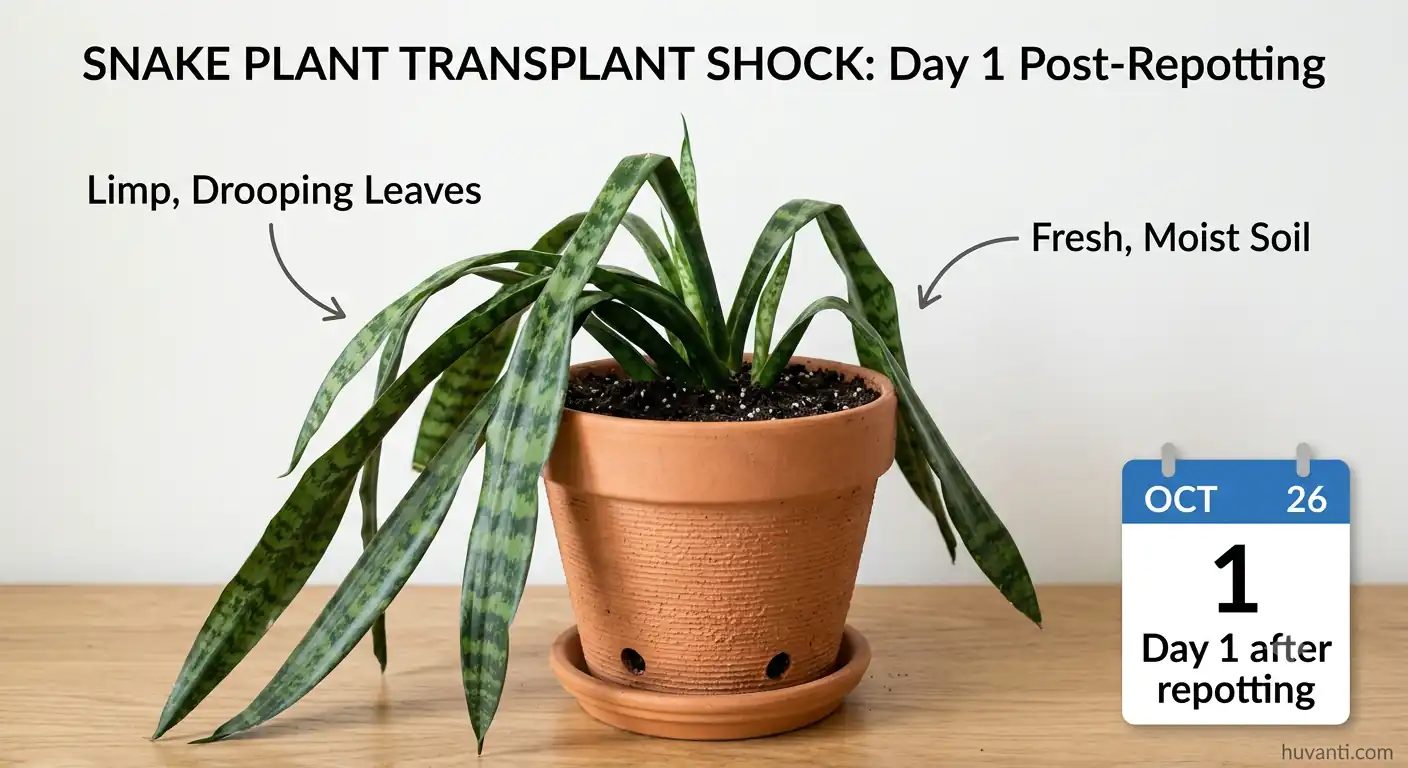
Repot when you see roots circling, pushing through the drain hole, or when water runs straight through without soaking in. Move up one pot size (for example, from a 10 cm pot to a 12 or 13 cm pot). Refreshing the mix in the same pot size is also healthy if the plant does not need more room to grow.
Do I need to boost humidity?
Many tropicals do fine in average home humidity if light and watering are on point. If edges brown during dry seasons, try these:
-
Group plants together to create a microclimate.
-
Use a small room humidifier.
-
Place pots on a pebble tray with water kept below the pot base (never let the bottom of the pot sit in water).
Note on misting: Misting only gives a short humidity lift and can leave spots on leaves. Ensure good ventilation and avoid leaving foliage constantly wet.
How should I fertilize?
Feed lightly during active growth in spring and summer. A balanced liquid fertilizer diluted to half strength once a month works for many plants. Pause or reduce feeding in fall and winter when growth slows down. Flush the pot with plain water a few times each season to wash out built-up mineral salts.
What pests should I watch for?
Check leaves top and bottom every time you water:
-
Spider Mites: Leave fine webbing and tiny speckled dots on leaves.
-
Mealybugs: Look like white cottony fluff tucked into leaf joints.
-
Scale: Look like small brown, waxy bumps on stems and undersides of leaves.
-
Fungus Gnats: Small flies that rise from the soil when watered.
Immediate steps to treat pests:
-
Quarantine: Isolate new or affected plants immediately.
-
Clean: Rinse leaves in the shower or sink. Wipe visible bugs with a cotton swab dipped in rubbing alcohol.
-
Spray: Use insecticidal soap or neem oil as the label directs, and repeat treatment regularly to break the egg cycle.
-
Target Gnats: Yellow sticky traps catch adults. Let the top inch of soil dry out more between waterings to disrupt gnat larvae.
Always follow product instructions and keep pest treatments safely away from kids and pets.
Are houseplants safe for pets?
Some are, some are not! Check a trusted source before buying and place toxic plants out of reach.
-
Pet-Safe Picks: Spider plant, parlor palm, Boston fern, peperomia, pilea, and prayer plant.
-
Toxic if Chewed: Pothos, philodendron, peace lily, and monstera can irritate mouths and stomachs.
-
Highly Dangerous: Sago palm is severely toxic to pets.
Which houseplants are easy for beginners?
Start with forgiving choices that tolerate a few beginner mistakes:
-
Pothos varieties and Heartleaf Philodendron
-
Snake Plant and ZZ Plant
-
Spider Plant and Parlor Palm
-
Peace Lily (great for beginners because it droops when thirsty, then perks right back up)
-
Cast Iron Plant and Chinese Evergreen
(Note: Some beginner plants like Pothos and Peace Lily are toxic to pets, so place them with care.)
Why are my leaves yellow or brown?
-
Yellow leaves: Often indicate overwatering or insufficient light. Check soil moisture and light levels first.
-
Crisp brown tips: Usually point to underwatering, low humidity, or mineral build-up from tap water. Water deeply and evenly, and flush soil occasionally.
-
Brown patches facing the window: Scorching from direct sun exposure. Move the plant back or add a sheer curtain.
-
Pale, leggy growth: A clear signal of low light. Move closer to a window or add a grow light.
Seasonal Care Guide
-
Winter: Light is weaker and days are shorter. Move plants closer to windows, reduce watering frequency, and pause fertilizing. Protect from cold drafts and hot radiators.
-
Spring: Growth wakes up! Resume light feeding, trim dead leaves, and repot if rootbound.
-
Summer: Keep an eye on direct sun and heat through glass. Water more frequently as potting mix dries faster.
-
Fall: Growth slows down again. Ease up on water and fertilizer.
How do I propagate houseplants?
-
Stem Cuttings (Water or Soil): Great for pothos and philodendrons. Cut just below a node, remove the lowest leaf, and keep the node submerged in water or moist mix.
-
Division: Works well for snake plants, ZZ plants, and peace lilies. Gently separate natural root clumps and pot them up individually.
-
Leaf Cuttings: Excellent for many succulents. Allow a leaf to callus for a day, then place it on a gritty mix and mist/water lightly.
Tip: Label your propagation cuttings with the date so you can track root progress over time.
What water is best?
Most plants thrive on standard tap water. However, if you notice brown tips on sensitive plants (like Calatheas) and have hard or heavily treated tap water, try using filtered water or rainwater. Let cold water reach room temperature before watering. Once a month, flush until water runs out the bottom to clear residual salts.
Simple Weekly Routine
-
Check Light: Rotate pots a quarter turn each week so growth stays balanced and straight.
-
Water Intentionally: Only water the plants that actually need it; skip any that are still moist.
-
Wipe Leaves: Dust with a soft damp cloth so foliage can breathe and absorb maximum light.
-
Inspect for Pests: Check leaf undersides and stems. Catching pests early saves effort later.
-
Prune: Snip off yellow/dead leaves and spent flowers for a clean, tidy look.
Fast Start Today
-
Step 1: Pick one plant and verify what light it needs. Move it to the best spot available.
-
Step 2: Check its pot. If there is no drain hole, slip it into a plastic nursery pot inside your decorative cover pot.
-
Step 3: Water slowly at the sink until it runs through the bottom, then empty the saucer.
-
Step 4: Wipe the leaves clean so they can gather light efficiently.
-
Step 5: Write the plant name on a tag with a simple care note (e.g., “Water when top 1–2 inches are dry”).
Your indoor jungle does not need to be complicated. Match the plant to the light you have, water with intention, and choose the right mix. Small, steady care is what makes houseplants happy!