Eco Home
Live lighter at home without making life complicated. Eco Home gathers simple changes that lower bills, cut waste, and make indoor air feel cleaner. You will find bite-size actions, weekend projects, and smarter choices for upgrades when you are ready. No pressure and no need to buy a cart of gear to get started.
What is an eco home?
An eco home uses less energy and water, creates less waste, avoids harsh chemicals where possible, and supports healthy indoor air. It is about comfort and good habits first, then smart upgrades that pay you back over time.
Does an eco home have to be expensive?
No. Start with behavior and maintenance. Swap the bulbs you use the most, fix small leaks, wash clothes in cold water, and seal drafts. These steps are low cost and can cut waste from day one. When you are ready, bigger upgrades can build on that foundation.
Where should I start?
Begin where you will notice a win this week. Pick one room and one habit to improve. If you feel stuck, try the quick wins below.
Quick wins you can do this week
-
Replace the five most used bulbs with LEDs.
-
Set the water heater to 120°F.
-
Fix a running toilet or a dripping faucet.
-
Wash laundry on cold and line dry a few loads.
-
Unplug or switch off electronics at night using one power strip.
-
Add a door draft stopper and close fireplace dampers when not in use.
-
Set the fridge to 37–40°F and the freezer to 0–5°F.
How do I cut energy use at home?
-
Air Sealing: Seal air leaks around doors, windows, and attic hatches with weatherstripping and caulk.
-
HVAC Maintenance: Change HVAC filters on schedule and keep vents clear.
-
Smart Climate Control: Use a smart thermostat and steady set points rather than big swings.
-
Appliance Upgrades: Choose Energy Star certified appliances when you replace old ones.
-
Heat Pumps: Consider a heat pump for heating and cooling. It is efficient and can replace a furnace and an air conditioner in many homes.
-
Water Heating: Look at a heat pump water heater when your current one nears the end of its life.
-
Smart Cooking: Cook smart. Use lids, match pan size to burner, try induction if you are upgrading, and use small appliances like a microwave or toaster oven for quick jobs.
-
Insulation: Add insulation in the attic and bring ducts inside conditioned space when you renovate. Air sealing before insulation gives the best result.
How do I use less water without losing comfort?
-
Fix Leaks First: A silent toilet leak can waste a lot of water. A few drops of food coloring in the tank can help you test it.
-
Low-Flow Fixtures: Install a low-flow showerhead and faucet aerators. Look for WaterSense labels.
-
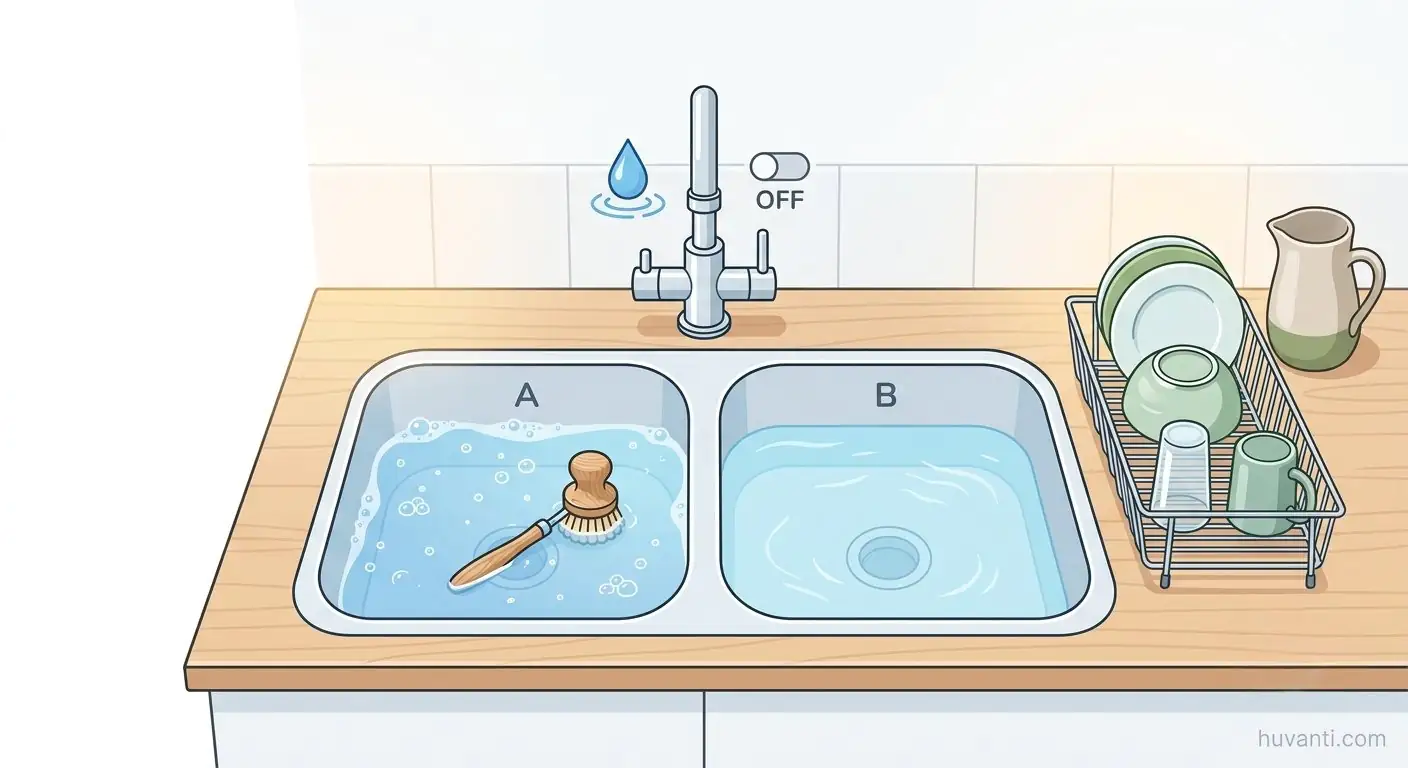
Full Loads: Run full loads in the dishwasher and washing machine. Skip pre-rinse with a modern dishwasher.
-
Capture Cold Water: Capture the first cold water from the shower in a bucket and use it on plants where local rules allow.
-
Yard Care: Water in the early morning, mulch generously, and choose native or drought-tolerant plants. Drip irrigation beats sprinklers for most beds.
How do I clean in a more eco-friendly way?
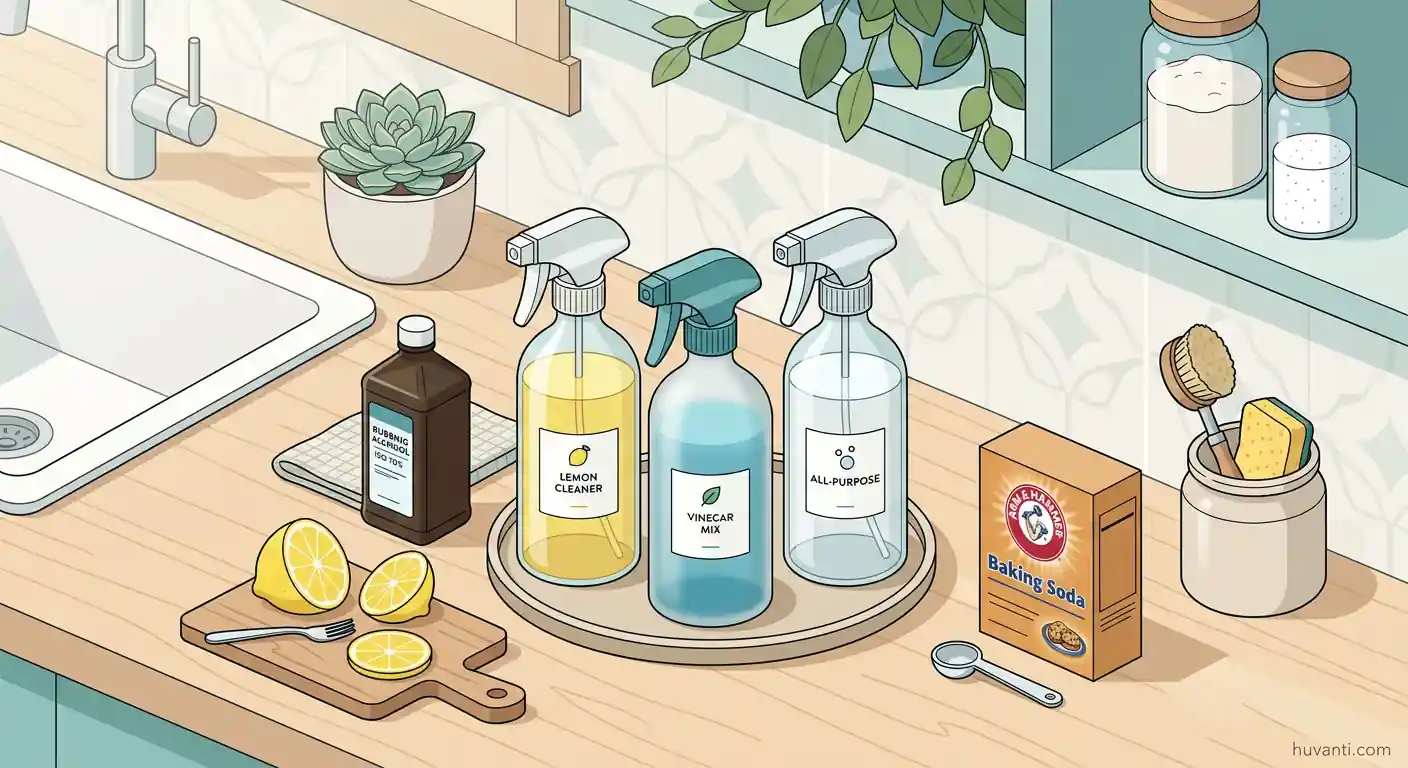
Choose fragrance-free or low-scent cleaners and avoid routine use of harsh disinfectants. A simple kit works for most jobs:
-
Vinegar and water: For glass and general wipe-downs.
-
Baking soda: For a gentle scrub.
-
Castile soap: For floors and many surfaces.
Note: Always spot test first and avoid acids like vinegar on natural stone.
Use reusable cloths and a sturdy spray bottle. Store products safely away from kids and pets, and label everything clearly.
How do I improve indoor air quality?
-
Ventilation: Vent after cooking and showering. Use a range hood that vents outside and a bath fan with a timer.
-
Fresh Air: Open windows for a few minutes each day when outdoor air is good.
-
Dust & Vacuum: Vacuum with a HEPA filter and dust with a damp cloth to trap particles.
-
Low VOCs: Choose low-VOC paints and sealants. VOC means volatile organic compounds.
-
Minimize Smoke: Avoid smoking indoors and limit candle and incense use.
-
Radon Testing: In older homes, test for radon and follow local guidance if levels are high.
How do I reduce everyday waste?
-
Food Management: Shop with a list and store food so it gets eaten. Keep a “use first” bin in the fridge.
-
Reusables: Choose reusables for water bottles, coffee cups, lunch boxes, and grocery bags.
-
Bulk Buying: Buy in bulk for staples you use often and skip single-use packets.
-
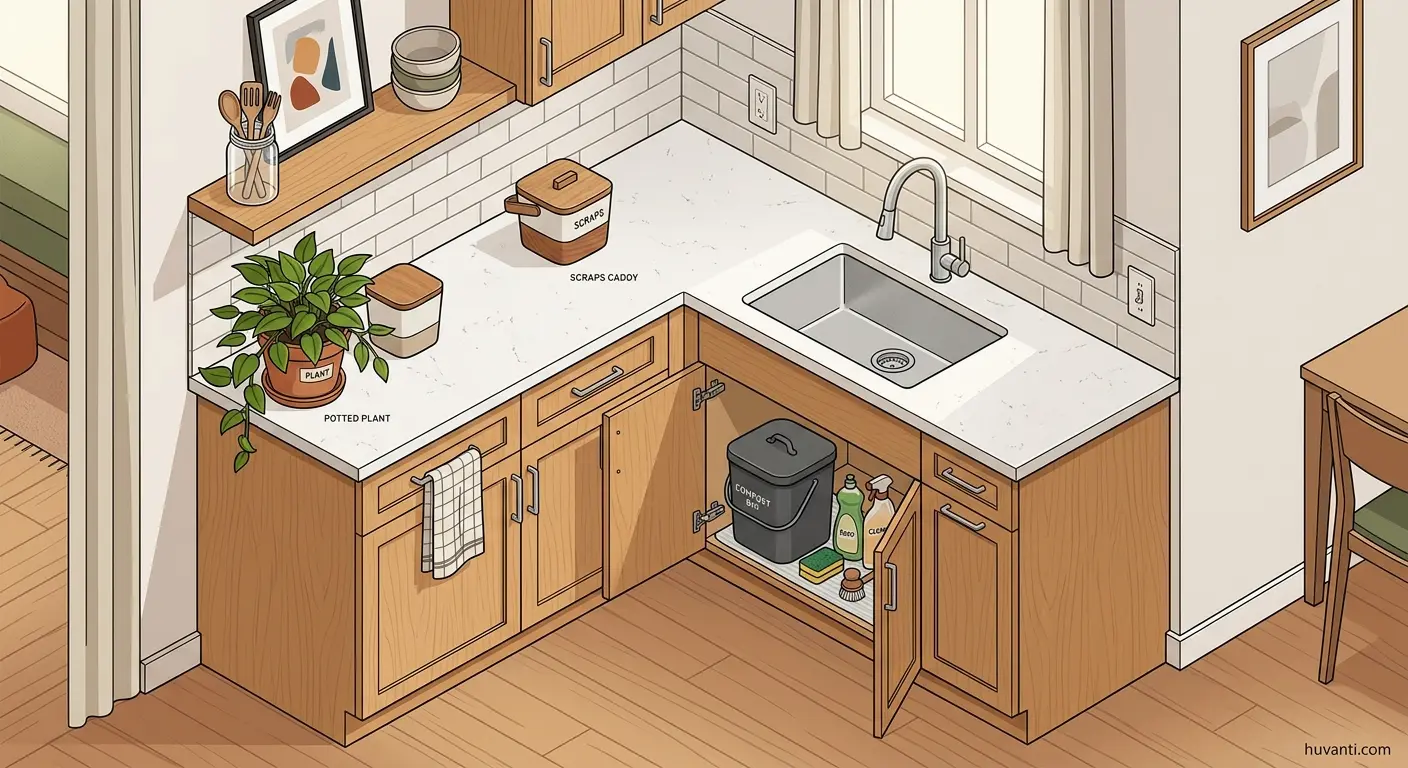
Simple Zones: Recycling next to trash. A small bin for compost where allowed. A place for batteries and light bulbs that need special drop-off.
-
Repair & Donate: Repair what you can and donate what you do not need.
-
Takeout Requests: Request no utensils and napkins when you do not need them.
What if I rent or live in a small space?
You can do a lot without major work:
-
Use LEDs, draft stoppers, thermal curtains, and a low-flow showerhead you can keep when you move.
-
Add a smart power strip for your desk or TV.
-
Use a small compost service if your city offers one.
-
Grow a few herbs by a sunny window.
-
Choose compact, efficient appliances when you have a say.
Which upgrades are worth planning?
-
Insulation & Air Sealing: Start with the attic and any obvious gaps.
-
Heat Pump: Efficient for space heating and cooling.
-
Heat Pump Water Heater: Great for when your current tank ages out.
-
Induction Cooktop or Range: Offers fast control and no open flame indoors.
-
Solar Panels: Ideal where the roof and local rules make sense.
-
High-Performance Windows: Choose these or storm panels if you are already replacing failing units.
-
Safer Materials: Look for materials with fewer harmful additives: solid wood or plywood with low formaldehyde, low-VOC finishes, natural fiber rugs, and durable tile.
Check for local rebates, tax credits, and utility programs that lower upfront costs. Follow building codes and hire licensed pros.
Common mistakes to avoid
Chasing perfection and never starting. Buying a pile of new products before changing habits. Ignoring maintenance like dirty filters and leaky faucets. Falling for green marketing that hides the real impact. Focus on the few changes you will use every day.
Safety notes
Turn off power at the breaker before any electrical work. Use proper protective gear when handling insulation or old materials. In older homes, learn about lead paint and asbestos before sanding or demo. Dispose of batteries, bulbs, paint, chemicals, and electronics through local programs. Read appliance manuals and follow manufacturer guidance.
Need a fast start today?
-
Swap two bulbs for LEDs and place the old ones in a recycle bin if your area accepts them.
-
Set the water heater to 120°F and label the breaker for easy access.
-
Install a faucet aerator in the bathroom.
-
Make a small cleaning kit with a spray bottle, vinegar, baking soda, and cloths.
-
Place a tray by the door for keys and a bag for reusable shopping totes so you remember them.
Your home does not need to be perfect to be more eco-friendly. Pick one change, make it stick, then add another. The results show up in calmer rooms, lower bills, and less waste at the curb.