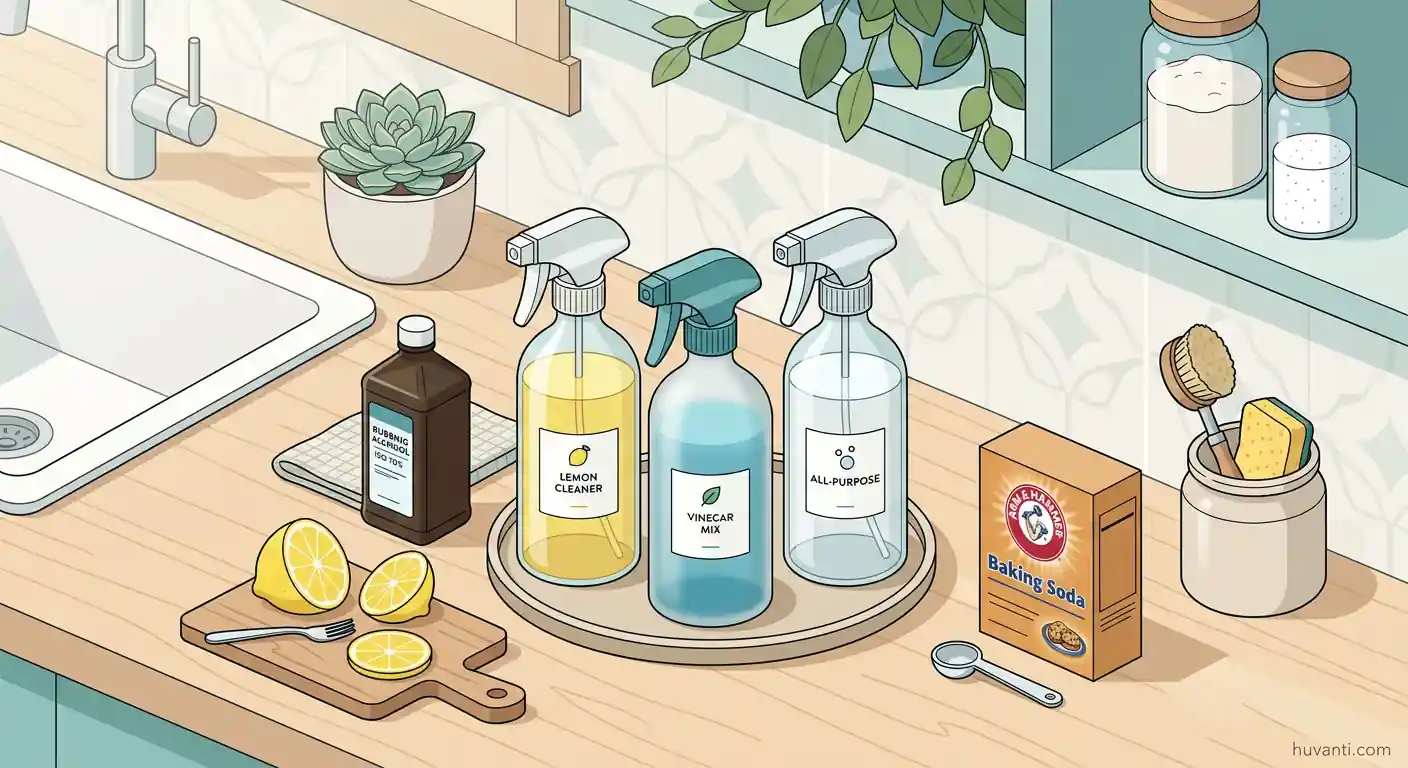
You want a clean home without the sharp smell or surface risks that come with vinegar. Good call. Vinegar can etch stone, dull some finishes, and leave a scent that lingers. The sprays below skip vinegar and still clean hard, fast, and safely.
Here you’ll learn how to make homemade cleaning spray without vinegar, why vinegar-free cleaning works, the exact ratios to mix, what each spray is best for, and what to avoid. I also cover surface safety, storage, shelf life, and troubleshooting, so you make it once and use it with confidence.
You’ll get 10 simple recipes that cover daily mess, glass and mirrors, kitchen grease, soap scum, stone counters, stainless steel, the inside of the fridge, mold and mildew, true disinfecting for touch points, and fabric and room deodorizing.
Every recipe uses easy-to-find ingredients and a standard 16-ounce spray bottle. You’ll see what to use it on, what to avoid, and the right way to apply it for streak-free results.
Let’s keep it simple, clear, and practical. And yes, every recipe is vinegar-free.
Table of Contents
Why Skip Vinegar at Home
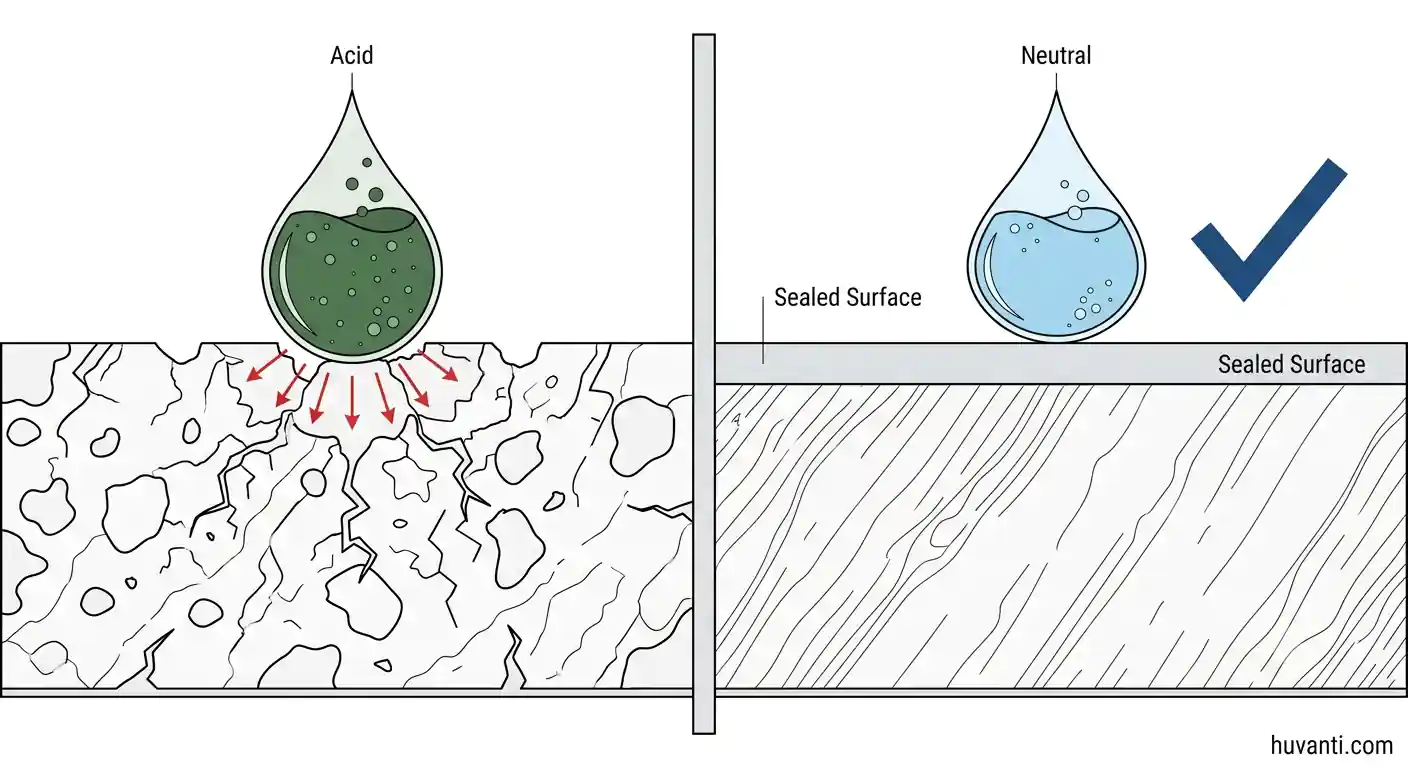
- Stone risk: Vinegar is acidic and can etch marble, limestone, travertine, and some quartz seals.
- Streaks and odor: It can leave streaks on glass and a smell that hangs around.
- Metal and grout wear: Repeated acid can dull finishes and weaken some grout over time.
- Better options: Soap, alcohol, peroxide, and citric acid handle most jobs without the downsides.
Before You Mix: The Short Basics
Tools and Supplies to Keep on Hand
- Two to four 16-ounce spray bottles. One dark or amber bottle for hydrogen peroxide.
- A small funnel and measuring spoons.
- Microfiber cloths. Keep one set just for glass and mirrors.
- Ingredients you’ll see below: unscented dish soap, castile soap, Sal Suds or another strong surfactant, isopropyl alcohol 70 percent, hydrogen peroxide 3 percent, washing soda, baking soda, citric acid, vodka or ethanol, essential oils if you like scent.
Water and Measurements
Use distilled or filtered water when you can. It reduces mineral spots and helps sprays last a bit longer. A 16-ounce bottle is about 2 cups or 475 milliliters.
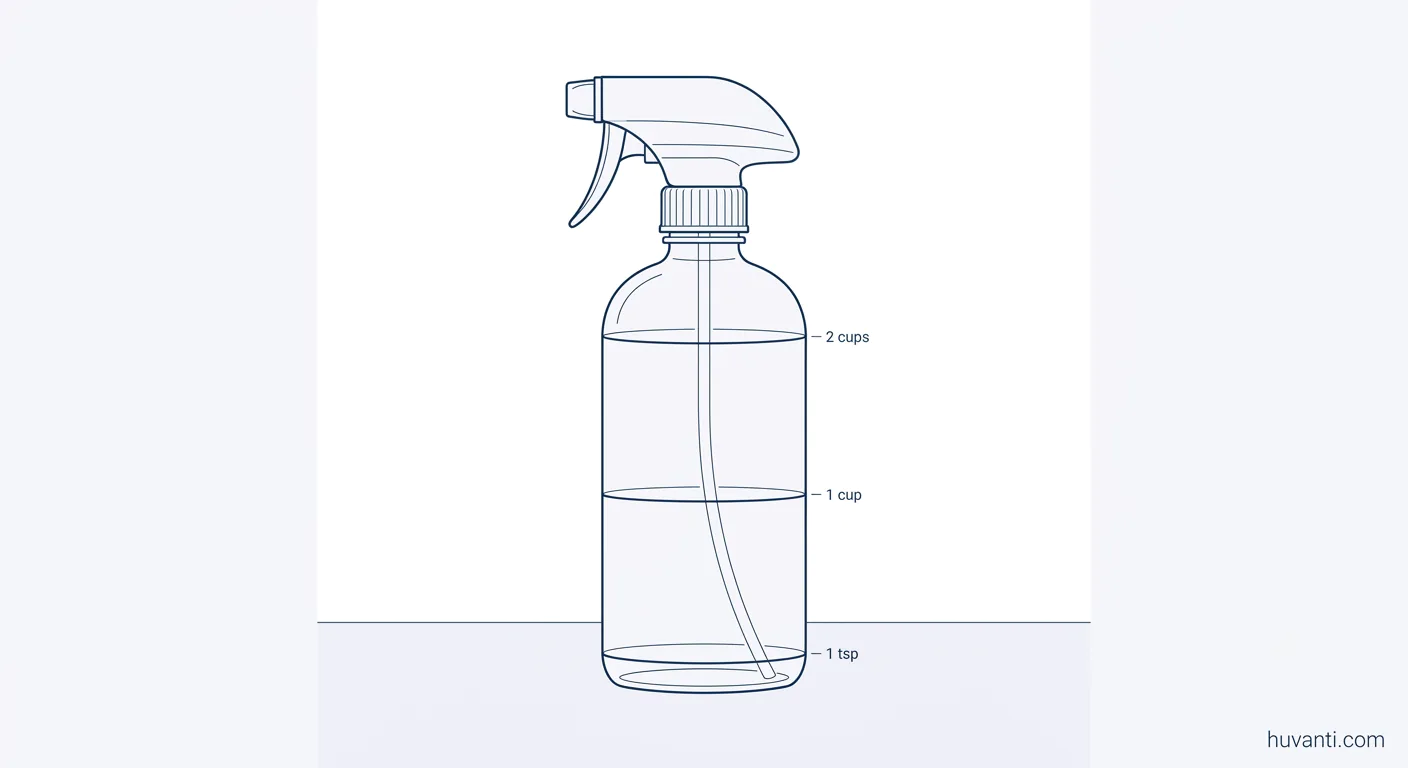
Safety Rules You Shouldn’t Skip
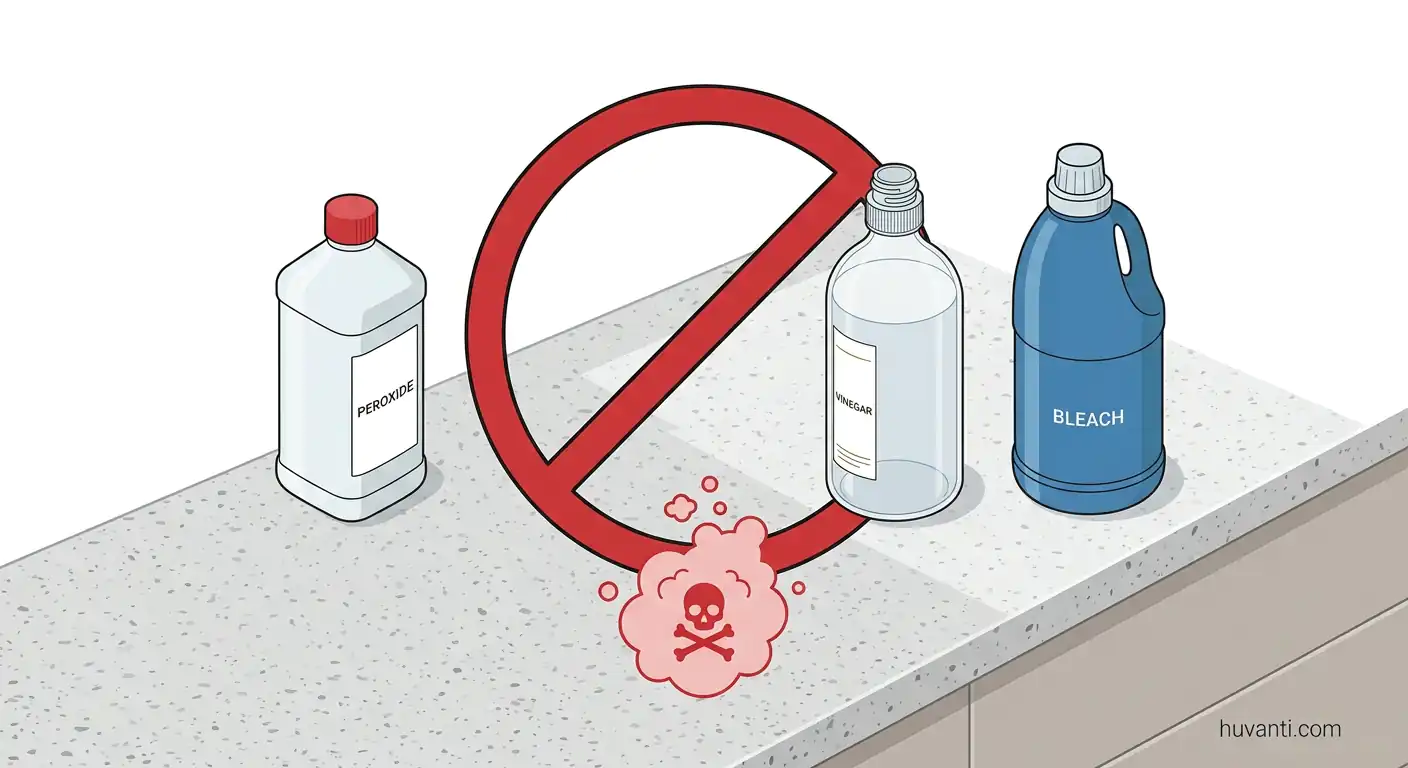
- Never mix hydrogen peroxide with vinegar or bleach. Not in the same bottle and not back-to-back on a wet surface.
- Label every bottle with name, date, and ingredients. Keep out of reach of kids and pets.
- Test on a small hidden spot first, every time.
- Don’t use essential oils on surfaces that touch food, in baby areas, or around sensitive pets. Cats are very sensitive to citrus and tea tree oils.
- Alcohol and peroxide are flammable. Keep away from flames and heat.
- For stone countertops, stay neutral. Avoid acids and strong alkalis.
How Cleaning and Disinfecting Are Different
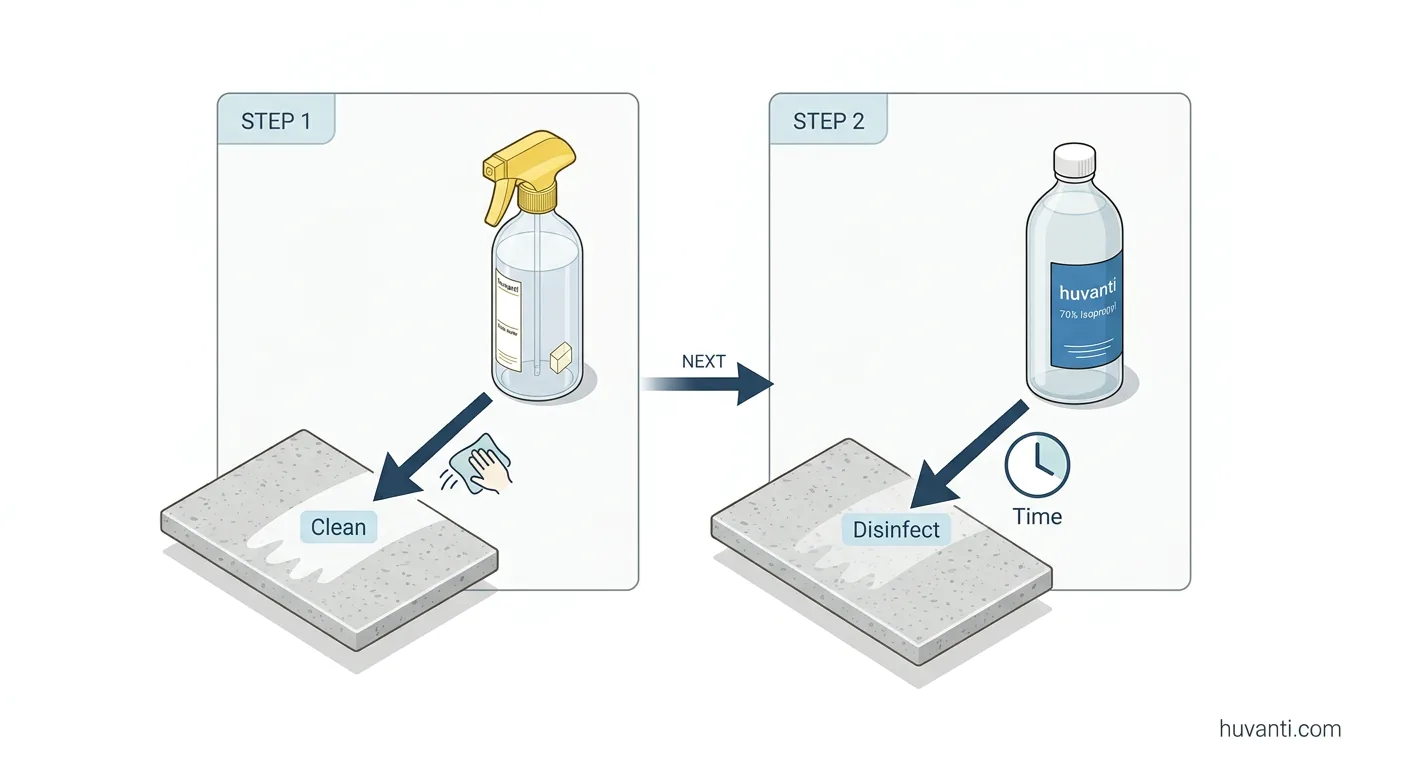
Cleaning removes soil and many germs with surfactants and wiping. Disinfecting uses a product that kills germs with a set wet contact time. Soap and water are fine for daily cleaning. Disinfect only when needed, and follow the contact time for alcohol or peroxide. For regulated disinfection needs, check the label of an EPA-listed product. At home, the alcohol and peroxide sprays below are effective on non-porous surfaces when used correctly.
10 Easy Vinegar-Free Spray Recipes
Each recipe lists what you need, how to make it, how to use it, and surface notes. All amounts are for a 16-ounce bottle.
1. Everyday All-Purpose Soap Spray
A gentle, neutral cleaner for day-to-day wipe-downs.
You Need
- 2 cups distilled water
- 1 teaspoon unscented dish soap or castile soap
- Optional: 5 drops lavender or lemon essential oil
Make It
- Add water to the bottle.
- Add soap and optional essential oil.
- Swirl gently to combine.
Use It
- Spray on the cloth, not the surface, to avoid excess moisture.
- Wipe and buff dry.
Good On Sealed counters, laminate, tile, appliances, painted walls, sealed wood furniture.
Avoid On Unsealed wood, stone like marble and travertine if you used essential oils. If you skip essential oils, it’s fine for sealed stone in small amounts. Always test first.
2. Streak-Free Glass and Mirror Spray
The classic clear shine, with no vinegar scent.
You Need
- 1 cup isopropyl alcohol 70 percent
- 1 cup distilled water
- 1 teaspoon white vinegar substitute isn’t used here. Add 1 drop dish soap instead to cut haze.
- Optional: 2 drops peppermint essential oil
Make It
- Pour alcohol and water into the bottle.
- Add 1 drop dish soap.
- Swirl to mix.
Use It
- Lightly mist the cloth, not the glass.
- Wipe in overlapping strokes.
- Flip cloth to a dry side and buff.
Good On Windows, mirrors, glass shower doors, chrome fixtures.
Avoid On Screens, anti-glare coatings, certain tinted films, and acrylic plastics. Use a screen-safe cleaner for electronics.
3. Kitchen Degreaser Spray
Cuts cooking grease fast.
You Need
- 2 cups warm distilled water
- 0.5 to 1 teaspoon Sal Suds or another strong dish surfactant
- Optional: 0.5 teaspoon washing soda for baked-on grease
Make It
- Add water to the bottle.
- Add Sal Suds.
- If needed, dissolve washing soda in a few tablespoons of warm water first, then add. Swirl.
Use It
- Spray directly on greasy spots.
- Let sit 1 to 2 minutes.
- Wipe with a damp cloth, then a dry cloth.
Good On Stovetops, range hoods, tile backsplashes, sealed cabinet doors.
Avoid On Aluminum, stone, unfinished wood, and any surface that says surfactants only. Washing soda is alkaline. Don’t use washing soda on stone or delicate finishes.
4. Bathroom Soap Scum and Mineral Spray
Loosens soap film and light mineral haze so you scrub less.
You Need
- 2 cups warm distilled water
- 1 tablespoon citric acid powder
- 0.5 teaspoon dish soap
Make It
- Dissolve citric acid in warm water.
- Add dish soap.
- Swirl gently.
Use It
- Spray on glass, tile, and fixtures.
- Wait 5 minutes.
- Scrub with a non-scratch pad.
- Rinse well and dry with a cloth.
Good On Ceramic tile, glass, chrome, fiberglass.
Avoid On Marble, limestone, travertine, concrete, cement tile, natural stone of any kind, and damaged grout. Acid can etch or weaken these.
5. Stone Countertop-Safe Cleaner
Neutral and gentle for granite and marble.
You Need
- 2 cups distilled water
- 0.5 teaspoon gentle unscented dish soap
Make It
- Add water and soap.
- Swirl to combine.
Use It
- Lightly mist a microfiber cloth.
- Wipe the stone.
- Buff dry to prevent water marks.
Good On Sealed granite, sealed marble, sealed quartzite, and solid surface tops.
Avoid On Unsealed stone or damaged sealers. Skip essential oils here.
6. Stainless Steel Appliance Spray
Cleans fingerprints and leaves a clean sheen without heavy oil.
You Need
- 1 cup isopropyl alcohol 70 percent
- 1 cup distilled water
- 2 to 3 drops dish soap
Make It
- Combine alcohol and water.
- Add dish soap.
- Swirl.
Use It
- Spray on a cloth.
- Wipe with the grain.
- Buff with a dry microfiber.
Good On Stainless steel fridges, ovens, dishwashers, and range hoods.
Avoid On Lacquered or black stainless finishes that advise against alcohol. Check the appliance manual.
7. Fridge and Food-Contact Surface Cleaner
Simple soap and water, no fragrance, no residue.
You Need
- 2 cups warm distilled water
- 0.5 teaspoon unscented dish soap
Make It
- Add water and soap to the bottle.
- Swirl gently.
Use It
- Spray onto cloth, wipe shelves, drawers, and seals.
- Rinse cloth with plain water and wipe again.
- Dry with a towel.
Good On Inside of the fridge, lunch boxes, high chairs, cutting boards after washing.
Avoid On Wood cutting boards that are unsealed. Use minimal moisture and dry fast.
8. Hydrogen Peroxide Bathroom Sanitizer
Great for moldy grout lines and sinks. Remember the safety note: never mix peroxide with vinegar or bleach.
You Need
- Hydrogen peroxide 3 percent in its original brown bottle
- A spray top that fits the bottle
Make It
- Swap the cap with a spray top so you keep the dark bottle. Light breaks peroxide down.
Use It
- Spray on a clean, non-porous surface.
- Keep the surface visibly wet for 5 to 10 minutes.
- Wipe and rinse if needed.
Good On Toilet seats, sinks, grout lines, showers, cutting boards after washing if you fully rinse and dry.
Avoid On Marble and other natural stone, wool or silk, and some dark fabrics. Peroxide can lighten color.
9. Alcohol-Based Touch-Point Disinfecting Spray
Fast-drying for high-touch, non-porous surfaces.
You Need
- 2 cups isopropyl alcohol 70 percent
Make It
- Pour alcohol into a labeled spray bottle.
Use It
- Pre-clean visibly dirty surfaces with a soap spray.
- Spray until the surface is wet.
- Let it air dry. Target a 30-second to 1-minute wet time. Reapply if it dries too fast.
Good On Doorknobs, light switches, handles, phones with a case, keyboards sprayed onto a cloth first.
Avoid On Bare wood, shellac finishes, some plastics, TV screens, and any surface a manufacturer warns against alcohol.
10. Fabric and Room Deodorizing Spray
Neutralizes odor on fabrics and freshens a room. This isn’t a stain remover.
You Need
- 1 cup vodka or ethanol 40 to 50 percent
- 1 cup distilled water
- Optional: 5 drops essential oil like lavender
Make It
- Combine vodka and water.
- Add optional essential oil.
- Swirl.
Use It
- Lightly mist into the air or onto fabric from 12 inches away.
- Let it dry. Test colorfastness on a hidden spot first.
Good On Fabric sofas, curtains, gym bags, shoes.
Avoid On Silk, leather, suede, and items marked dry clean only. Don’t spray directly on pets or bedding for infants.
Quick Surface Guide
- Glass and mirrors: Use Recipe 2.
- Stone counters: Use Recipe 5.
- Greasy stovetops: Start with Recipe 3, finish with a damp cloth.
- Bathroom tile and fixtures: Use Recipe 4, then rinse and dry.
- Stainless steel: Use Recipe 6 and buff.
- Fridge and high chair trays: Use Recipe 7 and a clean rinse wipe.
- Moldy grout or to sanitize sinks: Use Recipe 8 with the right contact time.
- Touch points after cleaning: Use Recipe 9 and let it air dry.
- Fabric odor: Use Recipe 10, test first.
- General daily dust and crumbs: Use Recipe 1 on a damp microfiber.
Storage, Shelf Life, and Labeling
- Most soap-based sprays last 2 to 3 months when mixed with distilled water and stored sealed at room temperature.
- Alcohol sprays are stable for 6 months or more if capped tightly to reduce evaporation.
- Hydrogen peroxide loses strength when exposed to light and heat. Keep it in the original dark bottle and make small batches you use within a month.
- Citric acid sprays are fine for 1 to 2 months. If they smell off or change color, discard.
- If you add essential oils, use within 1 month and shake before use. Oils separate.
- Label every bottle with name and date. Write the main ingredients to avoid unsafe mixing later.
Troubleshooting and Pro-Level Tips
Cloudy glass or streaks
- Use less soap. Even one extra drop can haze glass.
- Switch to distilled water if your tap water is hard.
- Buff dry with a clean, dedicated glass cloth.
Grease still smears
- Let the degreaser sit for 2 minutes before wiping.
- Use warm water and a fresh cloth on the final pass.
Soap scum not budging
- Spray Recipe 4 and wait the full 5 minutes.
- Use a nylon non-scratch pad and rinse well.
Sprayer clogs
- Avoid suspending powders that don’t fully dissolve.
- Rinse the sprayer with warm water after citric acid or washing soda use.
Stone looks dull
- Switch to the stone-safe cleaner only.
- Dry buff every time. Water spots can leave a film on stone.
Strong smells
- Skip essential oils around pets and in enclosed spaces.
- Ventilate when using alcohol-based sprays.
Final Thoughts
You don’t need vinegar to get a fresh, clean home. With a few pantry basics and the right ratios, you can handle daily mess, glass, grease, bathrooms, fabric, and even real disinfecting when you need it.
You learned 10 specific vinegar-free spray recipes, the best places to use them, and what to avoid. You also picked up key safety rules, storage times, and simple fixes for streaks, haze, and stubborn scum.
Start with two bottles today. Mix the everyday all-purpose spray and the glass and mirror spray. Add the degreaser and stone-safe cleaner next. Label them, keep a stack of microfiber cloths nearby, and cleaning gets much faster.
If you want deeper coverage later, add the peroxide and alcohol sprays for touch points, and the bathroom citric acid spray for soap scum. Keep it simple, test small, and wipe dry. Your home will look clean, smell clean, and you’ll never miss the vinegar.
Frequent Asked Questions
Can I replace vinegar with lemon juice in these sprays?
Lemon juice is also acidic and can etch stone and dull some finishes. Use citric acid only where noted and never on stone.
Is castile soap better than dish soap?
Both clean well. Castile is very mild and plant-based. Dish soap often cuts grease faster. Use what you have and keep amounts small to avoid residue.
Why 70 percent alcohol and not 91 percent?
Seventy percent evaporates slower and stays wet long enough to work. Higher strengths can flash off too fast.
Can I mix alcohol and hydrogen peroxide?
No, don’t mix them in one bottle. If you need both, clean first, let dry, then apply the second one with full contact time.
What is the safest way to clean a phone or tablet?
Power it down. Lightly spray alcohol on a cloth, never directly on the device. Wipe, then use a dry cloth. Avoid ports and speaker holes.
How do I know if my counters are sealed?
Put a few drops of water on the surface. If it beads, you likely have a seal. If it darkens or absorbs, avoid sprays and talk to your installer about sealing.
Are essential oils safe for pets?
No, many aren’t. Citrus, tea tree, and others can bother cats and small pets. Skip scents in pet areas, and never spray directly on pets or bedding.
Can I add fragrance oils instead of essential oils?
No, I don’t recommend it on surfaces. They can leave residue and may not be skin-safe. Keep cleaners simple.
Do these sprays kill germs?
Yes, soap sprays remove many germs through cleaning. Alcohol 70 percent and hydrogen peroxide 3 percent can disinfect non-porous surfaces when you keep them wet for the recommended time. For medical-level results, use an EPA-listed product and follow its label.
What is the best spray for baby areas?
Use the fridge and food-contact cleaner with only water and a drop of unscented dish soap. Wipe, then follow with a plain-water wipe and dry.